

Do Sealants Really Prevent Cavities? What Patients Should Know Before Decay Develops
Cavities frequently develop on the chewing surfaces of back teeth, where narrow grooves can trap food particles and bacteria. These areas are harder to clean thoroughly, even with consistent brushing. Because early enamel breakdown usually does not cause pain, changes can progress quietly until they are identified during a routine dental examination.
For patients focused on prevention rather than later intervention, dental sealants in Whitby, ON, are sometimes discussed during exams as one option to reduce decay risk on vulnerable tooth surfaces.
How Back Teeth Create Hidden Challenges for Cleaning
Molars and premolars are shaped to grind food efficiently, which requires uneven chewing surfaces. These natural pits and fissures can hold plaque longer than smoother areas of the teeth. When plaque remains in place, acids produced by bacteria can weaken enamel over time.
During an examination, a dentist evaluates several structural and behavioural factors together to determine whether back teeth are at increased risk, including:
- Depth of grooves, which affects how easily plaque can be removed with brushing
- Plaque accumulation patterns, observed during cleanings and exams
- Previous cavity history, particularly on chewing surfaces
- Effectiveness of daily oral hygiene, based on visible plaque and enamel condition
How Sealants Alter Conditions That Allow Cavities to Form
Sealants work by changing how bacteria interact with the chewing surfaces of teeth. After the tooth surface is examined and prepared, a thin, tooth-coloured material is applied to pits and fissures and hardened. This creates a smoother surface that limits plaque retention in areas that are otherwise difficult to clean.
Sealants reduce cavity risk through several related mechanisms:
- Covering deep grooves, which limits spaces where food debris and bacteria can remain trapped
- Reducing plaque retention, making it easier for brushing to disrupt bacterial buildup
- Supporting enamel protection, by decreasing prolonged acid contact on high-risk surfaces
Sealants do not remove bacteria from the mouth and do not replace brushing, flossing, or fluoride use. They are used alongside these measures to support long-term enamel health.
Situations Where Sealants Are Commonly Evaluated
Sealants are often considered soon after permanent molars erupt, when teeth are newly exposed to the oral environment and more susceptible to decay. For many children, this occurs around ages six and twelve. Applying sealants during this period may help reduce cavity risk before enamel breakdown begins.
Adults with deep grooves and no existing restorations may also be considered, with a dentist in Whitby, ON, assessing tooth anatomy, enamel condition, and prior decay patterns to determine suitability. These include:
- Current enamel condition, particularly in deep fissures
- History of decay, especially on back teeth
- Plaque control over time, based on exam findings
- Presence or absence of restorations, which affects suitability
Families from Whitby and nearby communities such as Brooklin, Ontario, receive care recommendations based on individual oral health findings rather than location.
What the Sealant Placement Process Involves
Sealant placement is a conservative procedure designed to preserve natural tooth structure. The process begins with a clinical examination to confirm that the tooth surface is suitable. The tooth is then cleaned to remove plaque and debris, and the enamel surface is prepared so the material can bond effectively.
The sealant material is applied and hardened to form a protective coating over the grooves. No drilling is involved, and healthy enamel is not removed. After placement, the bite is checked to ensure comfort during chewing. During future visits, sealed teeth are monitored, and the coating may be adjusted or replaced if wear is observed.
How Sealants Fit Into a Broader Prevention Plan
Preventive dental treatments in Brooklin, ON may be used to address cavity risk on back teeth where deep grooves make plaque control more difficult. These measures are selected based on tooth anatomy and prior decay patterns rather than applied uniformly.
Long-term cavity prevention typically includes several coordinated elements working together:
- Consistent brushing with fluoride toothpaste, to strengthen enamel
- Regular flossing, to disrupt plaque between teeth
- Dietary awareness, particularly around sugar intake
- Routine professional cleanings and exams, to monitor changes over time
Sealants support this plan by addressing anatomical features that are otherwise difficult to manage through brushing alone.
Signs It May Be Time to Ask About Preventive Options
An evaluation may be helpful when permanent molars have recently erupted, when food frequently becomes trapped in back teeth, or when there is a history of cavities despite consistent oral hygiene. Sensitivity during chewing or visible staining in grooves may also prompt further assessment.
Patients seeking care from a dental clinic near Brooklin, ON may look for guidance on managing cavity risk in hard-to-clean back teeth before structural damage occurs. These discussions help determine whether sealants or other preventive measures align with current oral health needs.
Making Prevention Part of Long-Term Oral Health Planning
Preventive care is most effective when it is tailored to individual risk rather than applied uniformly. Sealants are used selectively based on tooth anatomy, cavity history, and overall oral health patterns. They are monitored over time as part of routine dental care rather than treated as a one-time solution.
DSV Dental evaluates sealants and other preventive options during examinations using clinical findings to support informed decision-making and long-term oral health maintenance.
Frequently Asked Questions
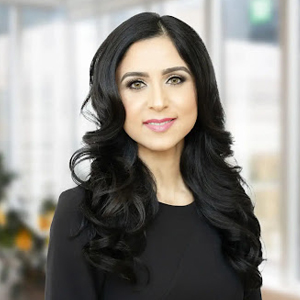
Dr. Sohela Vaid, DMD
Founder & Principal Dentist | DSV Dental, Whitby, ON
With over 20 years of clinical experience, Dr. Vaid provides trusted family and cosmetic dental care in Brooklin Village.
With over 20 years of clinical experience, Dr. Sohela Vaid is recognized for her gentle approach, keen eye for detail, and dedication to helping families achieve lifelong oral health. As the founder of DSV Dental in Brooklin Village, she has built a practice that blends modern innovation with the warmth of personalized care, where patients are truly treated like family. Dr. Vaid actively pursues continuing education to stay current with advancements in dental care
Dr. Vaid's dental philosophy centers around trust, education, and empowerment. She takes the time to walk patients through their treatment options and ensures that every smile she works on is not only healthy but also naturally beautiful. Whether she is planning a smile makeover or performing routine care, her calm demeanor and precision reflect years of hands-on expertise.
When she is not in the office, Dr. Vaid enjoys exploring different cultures, expressing herself through art and music, and spending quality time with her family.