
Teeth Alignment for Adults — Is It Ever Too Late to Straighten Your Smile?

Teeth alignment is something a lot of adults quietly wish they had sorted years ago, then assume the window has closed. It has not. Teeth can be moved at almost any age, and plenty of people start straightening well into their working years and beyond.
This guide covers why alignment still works for adults, the main options, the health reasons behind it, and what to expect if you decide to start now.
Why It Is Never Really Too Late
The reason age is not a barrier is simple. Teeth move because of steady, gentle pressure, and that biology does not switch off with age. Adult bone responds a little slower than a teenager’s, but it still responds. Straightening improves both looks and function, and this comparison of braces vs. clear aligners lays out the adult options.
That means teeth alignment is realistic whether you are in your thirties, fifties, or later. The main differences are treatment time and planning around any existing dental work like crowns or bridges, not whether it can be done at all. A good dentist works around those details rather than treating them as roadblocks.
Health Reasons to Straighten, Not Just Looks
It is easy to think of alignment as purely cosmetic, but the health case is just as strong. Crowded or overlapping teeth create tight spaces that a toothbrush and floss struggle to reach, which invites plaque, decay, and gum trouble over time.
Bite problems add their own wear and tear. Teeth that meet unevenly can chip, grind down, or strain the jaw. Sorting out teeth alignment spreads the force of chewing more evenly, which protects both the teeth and the joint. In other words, a straighter smile is often a healthier one, not just a nicer one.
Clear Aligners Versus Braces
Adults usually weigh two paths. Clear aligners are removable, nearly invisible trays that suit mild to moderate cases and fit neatly around work and social life. Traditional braces handle more complex movements and stay on the whole time. For the basics, this overview of clear aligners explains how the trays gradually shift teeth.
Both aim at the same result. The overview on modern Orthodontics in Whitby walks through how these options make adult teeth alignment far less obvious than the metal-heavy versions many people remember. The right pick comes down to how much movement is needed and how discreet you want the process to be.
When You Only Need Minor Changes
Not every case needs full treatment. If your concern is one small gap or a slightly uneven edge, a lighter cosmetic fix can sometimes create the look you want without months in trays or braces.
Bonding is one such shortcut for small issues. The piece on fixing uneven teeth shows how minor gaps can be closed quickly, which is worth knowing before you commit to full teeth alignment. It will not move a whole row of teeth, but for a single stubborn flaw it can be the simplest answer.
The Instant-Look Alternative
Some adults care more about appearance than perfect positioning. In those cases, veneers can mask mild crowding or spacing and deliver a straight-looking smile in a couple of visits, though they do not actually move teeth.
It is a trade-off worth understanding. The read on reasons to get veneers lays out when a cosmetic cover makes sense versus when true teeth alignment is the better long-term choice. Veneers change how a tooth looks, while straightening changes where it sits, and those are not always the same goal.
What to Expect Day to Day
Straightening is a slow, steady process rather than a dramatic one. Aligners are swapped on a schedule, braces are adjusted at intervals, and mild soreness after each change is normal and short-lived. This guide comparing clear aligners and metal braces covers how adjustments work. Consistency is what drives results.
With aligners, discipline is the hidden ingredient, since they only work if you wear them for most of the day. Braces do the work for you but ask for more care around cleaning. Either way, teeth alignment rewards patience far more than intensity.
Caring for Your Teeth During Treatment
Good hygiene matters more than usual while teeth are moving. Food traps around brackets and aligner trays can lead to decay and gum irritation if you let them slide, so brushing after meals becomes a real habit rather than a suggestion.
Aligner wearers should rinse and clean their trays daily and always brush before popping them back in, since trapping sugar against the teeth speeds up decay. Braces wearers benefit from small tools like interdental brushes. Keeping on top of this protects the teeth alignment progress you are paying for and keeps the finish line looking clean.
Why Starting Sooner Helps
Crowded or gapped teeth are harder to clean, which can lead to decay and gum trouble down the line. Straightening is not only cosmetic, it makes daily care easier and protects long-term health, so the earlier you begin the more you gain.
If you have been circling the idea, the gentle nudge in this post on the right time to book is worth a look. The sooner you start teeth alignment, the sooner the retainer phase and the finished smile arrive.
The Retainer Phase and Keeping Your Results
Finishing active treatment is not quite the end of the story. Teeth have a memory and will slowly drift back toward their old positions if nothing holds them, which is why a retainer is part of every plan. Some are removable and worn at night, while others are a thin wire fixed quietly behind the front teeth.
Sticking with a retainer is the single best way to protect your teeth alignment for the long haul. It asks very little, usually just nightly wear, and it locks in months of progress. Skipping it is the most common reason people see their results slip, so treat it as the final, easy step of teeth alignment rather than an optional add-on.
Fitting Treatment Around a Busy Adult Life
One worry that holds adults back is time, but modern options are built around real schedules. Aligner check-ins are usually short and spaced weeks apart, and many can be handled with minimal disruption to work. Braces need occasional adjustment visits, but those are quick once the routine is set.
The daily commitment is small too. A few minutes of extra cleaning and, for aligner wearers, the discipline to keep the trays in most of the day is really all it takes. Seen this way, teeth alignment slots into ordinary adult life far more easily than most people assume before they start, and the payoff of finished teeth alignment lasts for decades.
Booking Your First Consultation
If you are leaning toward starting, the first consultation is low pressure and genuinely useful. The dentist looks at how your teeth meet, takes a few images or a scan, and talks through what movement is realistic. You leave with a clear sense of the options, the likely timeline, and the cost, with no obligation to commit on the spot.
It is also your chance to ask the practical questions that decide between paths, like how visible each option is, how often you would come in, and how it fits your routine. Going in with those questions turns a vague idea about teeth alignment into a concrete plan, and it is usually the moment adults realise teeth alignment is far more doable than they feared.
Final Thoughts
Age is rarely the thing standing between an adult and a straighter smile. Whether you need full treatment or a small cosmetic tweak, the options today are quieter and more comfortable than they used to be. If you have been putting it off, know that it is almost never too late to start teeth alignment.
Frequently Asked Questions (FAQs)
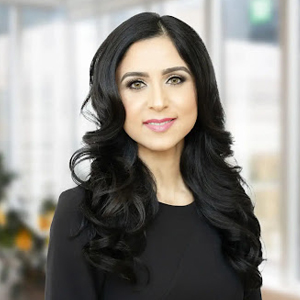
Dr. Sohela Vaid, DMD
Founder & Principal Dentist | DSV Dental, Whitby, ON
With over 20 years of clinical experience, Dr. Vaid provides trusted family and cosmetic dental care in Brooklin Village.
With over 20 years of clinical experience, Dr. Sohela Vaid is recognized for her gentle approach, keen eye for detail, and dedication to helping families achieve lifelong oral health. As the founder of DSV Dental in Brooklin Village, she has built a practice that blends modern innovation with the warmth of personalized care, where patients are truly treated like family. Dr. Vaid actively pursues continuing education to stay current with advancements in dental care
Dr. Vaid's dental philosophy centers around trust, education, and empowerment. She takes the time to walk patients through their treatment options and ensures that every smile she works on is not only healthy but also naturally beautiful. Whether she is planning a smile makeover or performing routine care, her calm demeanor and precision reflect years of hands-on expertise.
When she is not in the office, Dr. Vaid enjoys exploring different cultures, expressing herself through art and music, and spending quality time with her family.