
Cracked Tooth Chaos? How Dentists Repair Chips, Splits & Sneaky Fractures
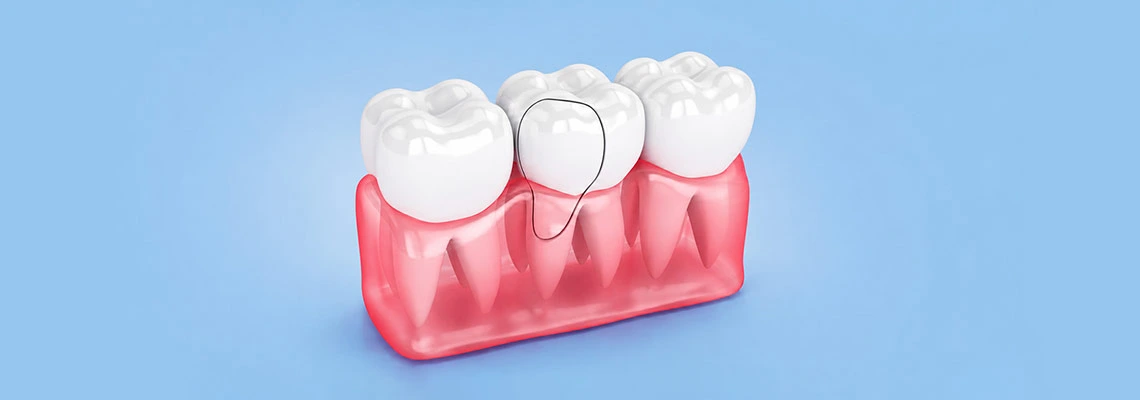
Cracked tooth repair is the fix people search for the moment they bite down wrong and feel that sharp, worrying twinge. Sometimes you can see the chip. Sometimes there is nothing visible at all, just a stab of pain that comes and goes. Either way, the fear is usually far bigger than the actual fix.
This guide explains the kinds of cracks dentists see, why teeth crack in the first place, how each type gets handled, and why acting early keeps a small problem small.
Why Teeth Crack in the First Place
Teeth are tough, but they are not indestructible. Biting on something hard like ice or a popcorn kernel is a classic trigger, and so is an accidental knock to the mouth. Years of grinding or clenching can quietly weaken a tooth until it finally gives, often without any single dramatic moment.
Old, large fillings play a role too. They can leave the surrounding tooth thin and prone to splitting under normal chewing. Knowing the cause matters, because good cracked tooth repair often includes fixing the habit or weakness that caused the crack, not just the crack itself.
Not All Cracks Are the Same
The word crack covers a lot of ground. A tiny surface line in the enamel is very different from a tooth split down toward the root. A medical overview of a chipped or broken tooth breaks down the types dentists see. Knowing roughly where yours sits helps you understand what cracked tooth repair might involve.
Minor chips often need little more than smoothing or a small filling. Deeper fractures, the ones that reach the softer inside of the tooth, call for more involved work. Craze lines, the fine cracks that only touch the surface, may need nothing at all beyond monitoring. A dentist figures out the depth before choosing the approach.
Small Chips and Surface Fractures
For a chipped corner or a shallow fracture, the fix is usually quick. Dentists smooth rough edges and rebuild the missing piece with a tooth-coloured material that hardens under a light. It blends in and holds up well for everyday use.
This kind of cracked tooth repair often wraps up in a single visit. The guide on how dental bonding works shows how the same technique that fixes gaps also rebuilds small chips cleanly. Because bonding adds material rather than removing much, it is gentle on the tooth and easy to touch up later if needed.
When the Crack Runs Deeper
Deeper cracks need more support than bonding alone. A crown, which caps the whole tooth, is a common answer because it holds the pieces together and takes the pressure off the weak spot. This comparison of veneers vs. crowns explains when each makes sense. Once fitted, a crown works and feels like a normal tooth.
If a crack reaches the nerve, the tooth may need root canal work before it gets capped. The post on signs that point to root canal therapy covers the symptoms worth watching for so cracked tooth repair does not get delayed until the tooth cannot be saved.
The Exam: How a Dentist Finds the Crack
Finding a crack is not always as simple as looking. Many are too fine to see, so dentists use a mix of methods. They might ask you to bite on a small plastic tool, since pain on release is a telltale sign of a fracture. A special dye can highlight a hairline crack, and bright light shone through the tooth can reveal where it splits.
X-rays help rule out deeper damage, though very fine cracks do not always show up on them. This detective work is a normal part of cracked tooth repair, and it is why an honest description of your symptoms, like when it hurts and what sets it off, gives the dentist a real head start.
The Sneaky Fractures You Cannot See
Some of the trickiest cases are cracks you cannot spot. You feel pain when chewing or a jolt with cold, but nothing looks wrong. These hairline fractures can hide for a while and slowly get worse. Left too long, a crack can reach the pulp, and this guide to an infected tooth nerve shows what treatment then involves.
This is where waiting hurts you. A crack that seems minor can spread with every bite, and a delayed cracked tooth repair often turns a simple fix into a bigger one. The overview on how prompt care can save your oral health explains why quick action pays off.
What to Do Before You Get Seen
If you crack a tooth, rinse gently with warm water and keep the area clean. Avoid chewing on that side, skip very hot or cold foods, and use a cold compress on the cheek if it swells. Over-the-counter pain relief can take the edge off, but do not ignore pain that lingers.
Then call for an appointment sooner rather than later. Leaving a fracture open invites decay and infection, which is exactly the chain that turns a small cracked tooth repair into something larger. The piece on skipping a tooth filling shows how untreated damage tends to snowball into bigger, costlier problems.
How to Lower Your Risk of the Next Crack
Once a tooth is fixed, it is worth protecting the rest. If you grind or clench, a custom nightguard cushions your teeth while you sleep and takes a huge load off them. If you play contact sports, a proper mouthguard is cheap insurance against a sudden break.
Everyday habits help too. Try not to chew ice, hard candy, or pen caps, and open packaging with scissors instead of your teeth. None of this guarantees you will never need cracked tooth repair again, but it stacks the odds firmly in your favour.

When a Cracked Tooth Becomes an Emergency
Not every crack needs a same-day visit, but some do. Severe pain that will not settle, noticeable swelling, bleeding that does not stop, or a large piece of tooth breaking away are all signals to be seen quickly. A tooth that suddenly becomes very sensitive or starts to feel loose also belongs in the urgent column.
In these moments, quick cracked tooth repair is about more than comfort. Fast treatment can be the difference between saving the tooth and losing it, because a deep crack left open lets bacteria reach the nerve. If you cannot reach your dentist right away, keep the area clean, manage pain gently, and avoid chewing on that side until you can be seen.
Saving the Tooth Versus Removing It
Dentists always prefer to keep your natural tooth when they reasonably can, and most cracks allow for it. A crown, a filling, or a root canal followed by a crown handles the vast majority of cases without removal, which is the usual aim of cracked tooth repair.
There is a limit, though. When a crack runs vertically all the way down the root, the tooth often cannot be rebuilt, and removal becomes the sensible path. Even then, a clear cracked tooth repair plan flows straight into a replacement discussion, so you are never left with a gap and no way forward. Knowing this in advance takes a lot of the worry out of the conversation.
Final Thoughts
Most cracks are far more manageable than the panic they cause. A chip gets smoothed, a moderate fracture gets a crown, and a deep one gets treated and capped. The one thing you truly control is timing, so book early and let the small stuff stay small. Handled quickly, cracked tooth repair is usually calmer and simpler than you feared.
Frequently Asked Questions (FAQs)

Dr. Sohela Vaid, DMD
Founder & Principal Dentist | DSV Dental, Whitby, ON
With over 20 years of clinical experience, Dr. Vaid provides trusted family and cosmetic dental care in Brooklin Village.
With over 20 years of clinical experience, Dr. Sohela Vaid is recognized for her gentle approach, keen eye for detail, and dedication to helping families achieve lifelong oral health. As the founder of DSV Dental in Brooklin Village, she has built a practice that blends modern innovation with the warmth of personalized care, where patients are truly treated like family. Dr. Vaid actively pursues continuing education to stay current with advancements in dental care
Dr. Vaid's dental philosophy centers around trust, education, and empowerment. She takes the time to walk patients through their treatment options and ensures that every smile she works on is not only healthy but also naturally beautiful. Whether she is planning a smile makeover or performing routine care, her calm demeanor and precision reflect years of hands-on expertise.
When she is not in the office, Dr. Vaid enjoys exploring different cultures, expressing herself through art and music, and spending quality time with her family.