
Dental Implants vs. Dentures vs. Bridges: Which Is Right for You?

Quick Summary
- Dental implants are securely inserted in the jawbone and are capable of replacing a single tooth, multiple teeth, or even supporting an entire arch of teeth.
- Dental bridges are fixed restorations supported by neighboring teeth or implants.
- Dentures are removable dental devices designed to substitute several missing teeth or a whole set of teeth.
- Implants normally require surgery, healing time, and enough healthy bone for support.
- Traditional bridges may require reshaping of the teeth beside the gap.
- No option is universally best; a dental examination and imaging are needed to recommend treatment safely.
Missing teeth can impact your capability to chew, speak, and even your confidence in your smile. Contemporary dental practices provide a variety of solutions for tooth replacement. The best choice among dental implants, dentures, and bridges will depend on your specific oral health requirements.
The appropriate treatment varies based on factors such as the number of missing teeth, the state of your gums and jawbone, the state of adjacent teeth, your willingness to undergo surgical procedures, your financial considerations, and your preferences for the feel of your replacement teeth.
At DSV Dental in Brooklin Village, we compare these factors carefully instead of recommending the same solution to every patient.
Missing a tooth in Whitby or Brooklin? Schedule a consultation at DSV Dental to compare your options in a comfortable, pressure-free setting.
What Is the Main Difference Between Implants, Dentures and Bridges?
Dental implants replace missing tooth roots with posts placed in the jawbone. Bridges span a space using support from neighbouring teeth or implants. Dentures sit on the gums and can be taken out for cleaning.
The biggest practical difference is how each restoration is supported.
| Option | How it is supported | Fixed or removable? | Often considered for |
|---|---|---|---|
| Dental implant | Jawbone | Fixed | One, several or all missing teeth |
| Dental bridge | Nearby teeth or implants | Fixed | One or a few missing teeth |
| Denture | Gums, remaining teeth or implants | Removable | Several or all missing teeth |
The Canadian Dental Association describes complete dentures as removable replacements for all teeth, while partial dentures replace several teeth and attach to remaining natural teeth. A bridge fills a gap using crowns attached to teeth or implants on either side.
Dental Implants: Stability Without Using Neighbouring Teeth
A dental implant is a small post positioned into the jawbone. After the area heals, the implant can support a crown, bridge, or implant-retained denture.
Benefits of dental implants
- They do not normally require healthy neighbouring teeth to be reshaped.
- They can feel stable during eating and speaking.
- They may replace one tooth or support larger restorations.
- They can usually be maintained with regular brushing, flossing, and routine dental visits, similar to natural teeth.
- Implant-supported dentures may move less than conventional dentures.
Implants can be especially valuable when the teeth beside a gap are healthy. Unlike a traditional bridge, a single implant can replace a tooth without using those neighbouring teeth as supports.
Limitations to consider
The process of receiving implant treatment involves a surgical procedure and a period of healing. Patients also need suitable bone, healthy oral tissues, and the ability to maintain good daily hygiene.
Bone loss, active gum disease, smoking, certain health conditions, or medications may affect treatment planning. Some patients require additional procedures before an implant can be placed. These factors do not automatically rule out implants, but they require an individualized assessment.
At DSV Dental, implant planning can include in-clinic cone beam computed tomography, or CBCT. This three-dimensional imaging helps the dentist assess bone, nearby teeth, nerves, and sinus anatomy before recommending treatment.
Dental Bridges: A Fixed Option Without Implant Surgery
A dental bridge replaces one or many missing teeth by spanning the gap. A traditional bridge generally uses crowns placed over teeth on either side of the space.
Benefits of a dental bridge
- It remains fixed in the mouth.
- It does not require implant surgery.
- It can restore appearance and chewing function.
- It may be appropriate when neighbouring teeth already need crowns.
- Treatment is generally completed sooner than an implant that requires healing.
Limitations to consider
Healthy teeth beside the gap may need to be reshaped to support a traditional bridge. Cleaning beneath the replacement tooth is also important and may involve floss threaders, interdental brushes, or other cleaning aids recommended by the dentist.
The health and strength of the supporting teeth are important. Decay, gum problems, or damage affecting one supporting tooth may compromise the larger restoration. The Canadian Dental Association notes that traditional bridge preparation involves filing down the teeth on both sides of the gap.
A bridge may be a practical choice when implant surgery is unsuitable or when the adjacent teeth would benefit from crowns. DSV Dental creates customized bridges based on the patient’s bite, tooth position and restorative needs.
Dentures: A Removable and Versatile Solution
Dentures can replace more than one missing teeth or a whole upper or lower arch. A partial denture uses remaining teeth for support, while a complete denture rests over the gums.
Benefits of dentures
- They can replace many teeth with one appliance.
- No implant surgery is required for conventional dentures.
- They may be suitable when remaining teeth cannot support a bridge.
- They can restore facial support, speech, and chewing ability.
- Implant-retained overdentures provide an option for patients seeking greater stability.
Limitations to consider
Dentures are removable and may require an adjustment period. It is common to spot temporary changes in speech, chewing, or saliva flow while adjusting to new dentures.
The gums and supporting ridges can also change over time, causing a denture to become loose. Regular examinations, adjustments, relines, or eventual replacement may be required. Poorly fitting dentures can cause soreness and should be assessed rather than repaired at home.
DSV Dental provides partial, complete, and implant-supported denture options. Dental imaging is used to assess remaining teeth, tissue health, and available bone before treatment planning.
Which Tooth Replacement Option Is Best for You?
You may prefer an implant when you want a fixed restoration, have adequate bone and want to avoid preparing healthy neighbouring teeth.
A bridge may make sense when you want a fixed option without implant surgery, particularly when the supporting teeth already require significant restoration.
A denture may be appropriate when several or all teeth are missing, surgery is not preferred, or a removable solution better matches your current needs.
The final recommendation should consider:
- The number and location of missing teeth
- Gum and jawbone health
- The condition of neighbouring teeth
- Your bite and chewing forces
- Medical history and medications
- Treatment time and recovery
- Daily cleaning requirements
- Insurance, CDCP eligibility, and personal budget
Unsure which option fits your health and lifestyle? DSV Dental can prepare a personalized comparison and explain the advantages, limitations, and anticipated fees before treatment.
What Happens During Your Consultation at DSV Dental?
Your appointment begins with a discussion of your concerns, medical history, and treatment goals. At the time of your visit, the dentist will check your teeth, gums, and bite. If you’re considering implant treatment, they might perform digital X-rays or a CBCT scan as part of the examination process.
The team then explains:
- Which teeth can be preserved
- Whether bone or gum treatment may be needed
- Available fixed and removable options
- The expected treatment stages
- Cleaning and maintenance requirements
- Insurance or CDCP considerations
- Anticipated patient costs
Many patients feel anxious about surgery or worry that they will be pressured into the most expensive option. At DSV Dental, the focus is on education and informed choice. Patients are urged to ask questions and consider their options before proceeding.
Why Patients Choose DSV Dental
DSV Dental serves patients from Brooklin, Whitby, and surrounding Durham Region communities in a spa-like, concierge-style environment.
The practice offers dental implants, bridges Dental Bridges, full and partial dentures, and implant-supported restorations in one location. Patients also benefit from in-clinic CBCT imaging, direct insurance billing, CDCP support, and extended weekday hours until 8 p.m.
Dr. Sohela Vaid has more than 20 years of clinical experience and emphasizes clear explanations, personalized treatment planning, and patient comfort.
Frequently Asked Questions
Compare Your Tooth Replacement Options in Whitby
There is no single replacement that is right for every missing tooth. The best choice is the one that suits your oral health, expectations, lifestyle, and long-term care needs.
Book a consultation with DSV Dental in Brooklin Village to compare dental implants, dentures, and bridges. Our team will properly explain your options clearly and help you make an informed decision without pressure.
This article provides general education and does not replace a dental examination or personalized diagnosis.
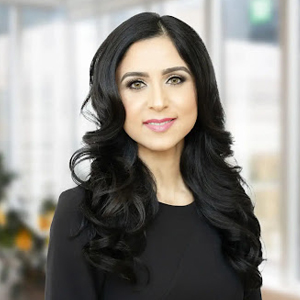
Dr. Sohela Vaid, DMD
Founder & Principal Dentist | DSV Dental, Whitby, ON
With over 20 years of clinical experience, Dr. Vaid provides trusted family and cosmetic dental care in Brooklin Village.
With over 20 years of clinical experience, Dr. Sohela Vaid is recognized for her gentle approach, keen eye for detail, and dedication to helping families achieve lifelong oral health. As the founder of DSV Dental in Brooklin Village, she has built a practice that blends modern innovation with the warmth of personalized care, where patients are truly treated like family. Dr. Vaid actively pursues continuing education to stay current with advancements in dental care
Dr. Vaid's dental philosophy centers around trust, education, and empowerment. She takes the time to walk patients through their treatment options and ensures that every smile she works on is not only healthy but also naturally beautiful. Whether she is planning a smile makeover or performing routine care, her calm demeanor and precision reflect years of hands-on expertise.
When she is not in the office, Dr. Vaid enjoys exploring different cultures, expressing herself through art and music, and spending quality time with her family.