
What Are the Risks and Side Effects of Dental Sealants
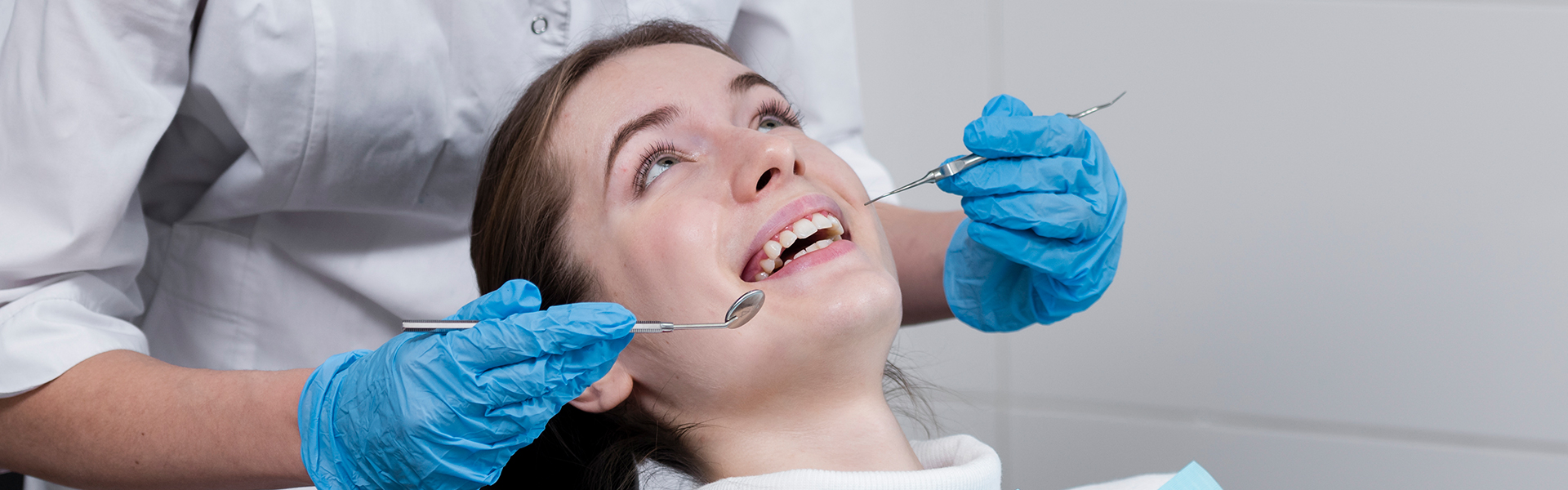
Dental sealants are a common preventive treatment used to protect back teeth from cavities. During a preventive visit, dental sealants in Brooklin, ON, may be discussed when molars have grooves that trap plaque and food.
Sealants are often recommended for children and teens as their permanent molars come in. Some adults with deep grooves may also benefit. Many people want to understand safety, side effects, allergies, and long-term risks before treatment.
What Are the Ingredients in Dental Sealants? Could They Trigger Allergic Reactions?
Dental sealants are usually made from resin-based or glass ionomer materials. A dentist applies the material as a thin coating over the chewing surfaces of molars and premolars.
Resin-based sealants may contain compounds related to dental plastics. Glass ionomer sealants may release fluoride, which can support enamel protection. Material choice depends on tooth shape, moisture control, cavity risk, age, and known sensitivities.
A short conversation about dental sealant safety can help clarify materials, allergies, and follow-up care. Allergic reactions are rare, but sensitivity to certain materials can occur in uncommon cases.
Exploring Allergies: Understanding the Risk of Adverse Reactions
Most patients tolerate sealants very well. Rare reactions may include mild irritation, temporary discomfort, or sensitivity after placement.
The dental team should know about:
- Allergies to dental materials
- Past reactions to resin or plastic-based products
- Sensitivity after previous dental treatments
- Ongoing oral irritation
This does not mean sealants are unsafe for most people. It means care should be personalized. A dentist can assess whether sealants are suitable or whether another material should be considered.
Identifying Potential Allergens: A Closer Look at Sealant Ingredients
Questions about dental sealants dangers often come from uncertainty about materials used on teeth. Resin-based sealants bond well to tooth surfaces, while glass ionomer materials may be used when moisture control is harder or fluoride release is helpful.
Potential concerns may include:
- Sensitivity to resin-based materials
- Mild gum irritation if material touches soft tissue
- Temporary chewing discomfort
- Rare allergic response to a component
Concerns about tooth sealant dangers are usually linked to myths, material questions, or uncertainty about long-term wear.
Debunking Myths: Separating Fact from Fiction on Sealant Safety
Misinformation can make preventive care feel confusing.
Myth: Sealants are dangerous for everyone.
Fact: Sealants are widely used and considered safe for many patients when properly recommended and placed.
Myth: Sealants always cause side effects.
Fact: Most patients experience no problems after placement.
Myth: Sealants are only for children.
Fact: Children and teens are common candidates, but some adults with deep grooves may benefit too.
What Are the Possible Side Effects of Dental Sealants? Exploring Common Concerns
Mild sensitivity is one of the more common dental sealant side effects, but it often improves after the bite settles. Most side effects are minor and short-term.
Possible side effects may include:
- A mild bite adjustment feeling
- Temporary pressure sensitivity
- Slight awareness of the coating
- Minor roughness that may need polishing
- Rare chipping, wear, or partial loss
If a sealant feels high when biting, the dentist may smooth or adjust it. Persistent discomfort should be checked, especially if chewing feels uneven.
Shedding Light on Sensitivity: Understanding Temporary Discomfort
Some people notice mild sensitivity after sealants are placed. In many cases, sensitivity resolves quickly as the tooth adjusts.
If discomfort continues, the sealant may need to be checked. A small adjustment can often improve comfort. A brief change in chewing comfort may be included in sealant for teeth side effects, but it is not the same as tooth damage.
Debunking Misconceptions: Addressing Fear of Adverse Effects
A common concern is whether sealants can damage healthy teeth. When placed properly, sealants do not damage tooth structure.
Sealants help reduce cavity risk by blocking plaque and food from deep grooves. When the question “are dental sealants safe comes up, the answer should include both benefits and limits. Suitability depends on the tooth, cavity risk, oral hygiene, and known allergies.
Placement is non-invasive in most cases. Comfort can vary, but the process is usually simple and does not involve drilling healthy tooth structure.
Do Dental Sealants Pose Long-Term Risks? Examining the Extended Effects
Long-term risks are generally low when sealants are monitored during regular dental exams. Sealants can wear down, chip, or partially come off over time.
A dentist may recommend repair or reapplication if the sealant no longer covers the grooves well. The most practical dental sealant risks are usually linked to wear and maintenance, not serious harm.
Long-Term Outlook: Evaluating the Durability of Sealants
Many sealants last several years with proper care. Chewing habits, diet, oral hygiene, tooth anatomy, and regular dental visits all affect durability.
Sealants may last longer when people:
- Brush twice daily with fluoride toothpaste
- Floss daily
- Limit frequent sugary snacks and drinks
- Avoid chewing hard objects
- Attend routine dental exams
If a sealant is worn or missing, it can often be repaired or replaced.
Dispelling Fears: Understanding the Lifespan of Dental Sealants
Sealants are durable, but they are not permanent. This matters when reviewing dental sealants’ safety concerns, because sealants can protect a tooth for years but still need monitoring.
A sealant does not make a tooth cavity-proof. It protects grooves on chewing surfaces, but cavities can still form between teeth or near the gums. A preventive exam for dental sealants may include a bite check, cavity-risk review, and a discussion about whether sealants are useful for specific molars.
For many patients, sealants are worth discussing because they may help prevent cavities in back teeth. Adults with deep grooves or higher cavity risk may also be assessed for sealants.
Preventive care in family dentistry often includes checking molars for grooves that may collect food and bacteria. Dental sealants in Whitby may come up during preventive discussions when molars have deep grooves. A dentist in Whitby, ON can assess whether sealants fit the person’s oral health needs.
Final Thoughts
Dental sealants can help reduce cavity risk on chewing surfaces. Side effects are usually mild and temporary, while serious reactions are rare. Long-term concerns are usually related to wear, chipping, or replacement.
Routine dental exams help ensure sealants remain comfortable and effective. If you have questions about materials, allergies, or whether sealants are right for your family, DSV Dental Brooklin Village can assess your needs and explain your options in a calm, clear way.
Want to Ensure a Healthy Smile? Reserve Your Dental Checkup Today!
A dental checkup can help identify cavity risk, worn sealants, and areas that need attention. Schedule a preventive dental visit to discuss sealants, oral hygiene, and long-term care for your smile.
FAQs

Dr. Sohela Vaid, DMD
Founder & Principal Dentist | DSV Dental, Whitby, ON
With over 20 years of clinical experience, Dr. Vaid provides trusted family and cosmetic dental care in Brooklin Village.
With over 20 years of clinical experience, Dr. Sohela Vaid is recognized for her gentle approach, keen eye for detail, and dedication to helping families achieve lifelong oral health. As the founder of DSV Dental in Brooklin Village, she has built a practice that blends modern innovation with the warmth of personalized care, where patients are truly treated like family. Dr. Vaid actively pursues continuing education to stay current with advancements in dental care
Dr. Vaid's dental philosophy centers around trust, education, and empowerment. She takes the time to walk patients through their treatment options and ensures that every smile she works on is not only healthy but also naturally beautiful. Whether she is planning a smile makeover or performing routine care, her calm demeanor and precision reflect years of hands-on expertise.
When she is not in the office, Dr. Vaid enjoys exploring different cultures, expressing herself through art and music, and spending quality time with her family.