
Invisalign in Brooklin & Whitby: Am I a Candidate?

Quick Summary
- Invisalign employs transparent, removable aligners to progressively reposition teeth.
- It may treat crowding, gaps, crooked teeth, and some bite concerns.
- Aligners generally need to be worn for 20–22 hours daily.
- Cavities or active gum disease should usually be treated first.
- Some complex cases may be more predictable with braces.
- Adults can often qualify when their oral health is stable, and retainers are needed afterward.
Invisalign may be an option if you have crowded, crooked, or spaced teeth, certain bite concerns, healthy teeth and gums, and are able to wear the aligners as directed. However, Invisalign is not right for every smile.
At DSV Dental, candidacy is based on an examination—not an online quiz. We help patients in Brooklin, Whitby, and Durham Region compare Invisalign with traditional braces.
Wondering whether clear aligners may be right for you? Book a consultation with DSV Dental, serving patients in Brooklin and Whitby. Our team can assess your oral health, bite, and treatment goals and explain whether Invisalign or another orthodontic option may be appropriate for you.
What Is Invisalign?
Invisalign is a professionally supervised orthodontic treatment using a sequence of custom clear aligners. Each tray places controlled pressure on selected teeth, gradually guiding them toward planned positions.
The trays are removed for meals, most drinks, and oral hygiene. Invisalign says patients typically wear them for 20–22 hours daily. The American Association of Orthodontists recommends at least 22 hours and notes that treatment time varies by case.
What Can Invisalign Treat?
Clear aligners may improve:
- Crowded, overlapping, or rotated teeth
- Gaps between teeth
- Crooked teeth
- Certain overbites and underbites
- Open bites
- Crossbites
The name of the problem does not determine candidacy by itself. An overbite caused mainly by tooth position may suit aligners, while a more complex jaw relationship may require another approach. The AAO notes that some cases are treated more predictably with braces.
Signs You May Be a Good Invisalign Candidate
Your Teeth And Gums Are Healthy
Orthodontic treatment moves teeth through supporting bone and tissues. Active cavities, gum disease, or existing dental work that requires attention should usually be treated before orthodontic treatment begins. Aligners are made to fit closely, so untreated problems can affect safety and fit.
DSV Dental also advises patients with ongoing cavities or gum disease that treatment may need to be delayed until those conditions are managed.
You Can Wear The Aligners Consistently
Removability is convenient, but it requires commitment. Frequently removing aligners for snacks, coffee, or social events may slow progress or affect how the next tray fits.
Consider your normal routine honestly. Invisalign may suit you if you can remove the trays for meals, clean your teeth, and replace them promptly. Patients who regularly snack or frequently misplace personal items may find fixed braces easier to manage.
Your Case Can Be Treated Predictably
Invisalign can manage many alignment and bite concerns. Some patients need tooth-coloured attachments, elastics, or refinement aligners.
Severe rotations, impacted teeth, significant jaw discrepancies, or movements requiring greater control may be better suited to braces or specialist care. Clear aligners should be selected according to the movements your teeth require—not simply because they are less noticeable.
You Will Wear Retainers Afterward
Treatment does not end with the final aligner. Teeth naturally shift over time, so retainers are required to help preserve their new positions. Retention is a standard part of treatment following both aligners and braces.
When Might Invisalign Not Be Right?
Invisalign may need to be delayed if you have untreated decay, active gum disease, or restorations that should be completed before scanning. It may also be a poor fit if wearing trays for most of the day is unrealistic.
Traditional braces may be more dependable for patients likely to remove aligners and can provide better control for certain complex movements.
Because DSV Dental offers both Invisalign and traditional braces, the recommendation can be based on your bite, oral health, and habits rather than appearance alone.
Unsure whether your case is too complex for Invisalign? Schedule a consultation at DSV Dental for an examination and a clear comparison of your options.
Am I Too Old for Invisalign?
Age alone rarely rules out orthodontic treatment. For adults, crowns, bridges, implants, missing teeth, gum recession, and previous orthodontic treatment may change the plan without automatically ruling out Invisalign.
For example, a dental implant cannot be moved orthodontically like a natural tooth. Its position must therefore be considered when planning how the surrounding teeth will move.
Invisalign vs. Traditional Braces
| Invisalign | Traditional braces |
| Clear and removable | Fixed to the teeth |
| Removed for meals | Some food restrictions |
| Easier access for cleaning | Extra care around brackets |
| Requires consistent daily wear | Works continuously |
| Suitable for many cases | Often useful for complex movement |
Neither option is automatically better. The right choice depends on the movements needed, the condition of your teeth and gums, and your ability to follow treatment instructions.
What Happens at a DSV Dental Consultation?
Your appointment includes an examination of your teeth, gums, bite, and any existing restorations to help guide treatment planning. Digital records may then be taken to assess alignment and plan possible movements.
When Invisalign is suitable, our team explains:
- What treatment is intended to correct
- The estimated stages and timeline
- Whether attachments or elastics may be required
- How often progress visits may be needed
- Daily wear and cleaning responsibilities
- Retainer requirements
- Estimated fees and insurance considerations
A digital preview can illustrate the plan, but results still depend on biology, complexity, and cooperation.
Many patients worry about being pressured into orthodontic treatment. DSV Dental focuses on clear explanations and personalized care in a spa-like, concierge-style setting. The clinic also offers direct billing for many insurance plans and weekday appointments until 8 p.m.
Frequently Asked Questions
Most patients are instructed to wear their trays for 20–22 hours daily, removing them for meals, most drinks and oral hygiene.
It can improve some overbites. Complex tooth or jaw relationships may require braces, elastics, or specialist assessment.
Active gum disease should generally be stabilized before orthodontic movement begins.
Mild pressure or tenderness is common after changing trays. Severe or constant pain should be reported to the dental team.
No, but many patients need small tooth-coloured attachments to help produce specific movements.
Yes, when their dental development is suitable, and they can follow the wear and cleaning instructions.
Yes. Retainers help prevent teeth from shifting after Invisalign or braces.
Some plans include orthodontic benefits, but age limits, lifetime maximums and exclusions vary. DSV Dental can help review available benefit information, while the insurer makes the final coverage decision.
Book an Invisalign Consultation in Brooklin or Whitby
The best Invisalign candidate is not defined only by age or how crooked the teeth appear. Oral health, bite complexity, realistic goals, and consistent wear all matter.
Book an Invisalign consultation with DSV Dental at 28 Winchester Road East in Whitby. Our team will assess your smile, compare Invisalign with braces when appropriate, and explain your options in a comfortable, patient-first setting.
This article provides general education and does not replace an examination or personalized orthodontic diagnosis.
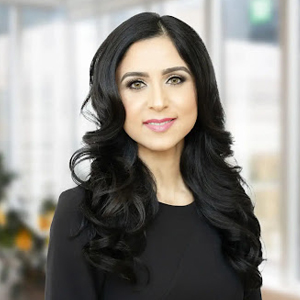
Dr. Sohela Vaid, DMD
Founder & Principal Dentist | DSV Dental, Whitby, ON
With over 20 years of clinical experience, Dr. Vaid provides trusted family and cosmetic dental care in Brooklin Village.
With over 20 years of clinical experience, Dr. Sohela Vaid is recognized for her gentle approach, keen eye for detail, and dedication to helping families achieve lifelong oral health. As the founder of DSV Dental in Brooklin Village, she has built a practice that blends modern innovation with the warmth of personalized care, where patients are truly treated like family. Dr. Vaid actively pursues continuing education to stay current with advancements in dental care
Dr. Vaid's dental philosophy centers around trust, education, and empowerment. She takes the time to walk patients through their treatment options and ensures that every smile she works on is not only healthy but also naturally beautiful. Whether she is planning a smile makeover or performing routine care, her calm demeanor and precision reflect years of hands-on expertise.
When she is not in the office, Dr. Vaid enjoys exploring different cultures, expressing herself through art and music, and spending quality time with her family.