What Happens If You Ignore a Cracked Tooth?

Quick Summary

  • Some cracked teeth seem harmless at first, yet they can gradually worsen if left untreated.
  • Small cracks can help bacteria reach the inner tooth, increasing the risk of infection.
  • Early assessment often provides more treatment options and may help preserve the natural tooth.
  • Delaying care can lead to fractures, tooth loss, or the need for more extensive treatment.
  • Prompt dental evaluation is recommended whenever a crack, discomfort, or biting pain develops.

You bite into a piece of crusty bread and notice a sharp twinge. A few minutes later, everything feels normal again, so you decide to ignore it. Days or even weeks pass without another thought. Unfortunately, that small warning sign can become something much more serious. Visiting a dentist in Brooklin when a tooth first feels cracked may help prevent further damage and preserve your natural tooth before the problem progresses.

Why Do Teeth Crack?

Teeth are strong, but they are not indestructible. Every day wear, injuries, and repeated pressure can create tiny fractures that may gradually enlarge.

Common causes include:

  • Biting hard foods or ice
  • Teeth grinding or clenching
  • Sports injuries or accidental falls
  • Large, aging fillings that weaken tooth structure
  • Frequent exposure to very hot and very cold foods or beverages

Some cracks remain limited to the enamel, while others extend into deeper layers where nerves and blood vessels are located.

What Happens If a Crack Is Left Untreated?

Ignoring a cracked tooth rarely makes the problem disappear. Instead, normal chewing repeatedly applies pressure to the weakened area.

Possible complications include:

  • The crack becoming larger
  • Pain while biting or chewing
  • Sensitivity to hot, cold, or sweet foods
  • Bacteria entering the inner pulp
  • An infection that may spread into the surrounding tissues

When damage reaches the pulp, tooth fracture repair may no longer be enough to restore the tooth.

Signs That Need Prompt Assessment

Not every cracked tooth causes constant discomfort. Symptoms often come and go, making the condition easy to overlook.

Watch for:

  • Sharp pain when releasing your bite
  • Sensitivity that lasts after eating or drinking
  • Swelling around one tooth
  • A rough or chipped edge
  • Pain without an obvious cavity

These symptoms deserve professional evaluation rather than waiting to see if they disappear.

Treatment Depends on the Severity

Every crack is different. After examining the tooth and taking appropriate dental imaging, your dentist will recommend the most suitable approach.

Depending on the extent of damage, damaged tooth treatment may include bonding, a dental crown, or root canal therapy when the pulp is affected. When a crack extends below the gumline, saving the tooth may no longer be possible.

If a back tooth has developed a fracture from heavy chewing forces, cracked molar treatment may involve placing a protective crown to help reduce further splitting during everyday function.

When Is It Considered a Dental Emergency?

Some cracked teeth require immediate attention, while others can safely be assessed during a routine appointment.

Seek prompt care if you experience:

  1. Severe or persistent pain.
  2. Noticeable swelling of the gums or face.
  3. A large broken section of the tooth.
  4. Bleeding following dental trauma.
  5. Difficulty biting because the tooth feels unstable.

An emergency dentist in Whitby, ON, can assess urgent dental injuries and recommend the most appropriate next steps based on the condition of the tooth.

Can a Cracked Tooth Be Prevented?

Although not every fracture can be avoided, several habits reduce the likelihood of damage.

Helpful preventive measures include:

  • Wearing a custom mouthguard during sports.
  • Protecting your teeth with a custom nightguard if you experience teeth grinding during sleep.
  • Limiting foods that can place excessive pressure on your teeth, such as ice, hard candy, and popcorn kernels.
  • Scheduling regular dental examinations.
  • Seeking care promptly if you notice new sensitivity or discomfort.

Early attention often makes broken tooth treatment less complex than waiting until the crack worsens.

Final Thoughts

What begins as a small crack can become a larger problem over time, making treatment more complex if care is delayed. Prompt assessment can help limit further damage while supporting the long-term health of your natural tooth. If you have noticed symptoms of a cracked or damaged tooth, contact DSV Dental in Brooklin, Ontario, to schedule an appointment and discuss the most appropriate next steps.

Frequently Asked Questions

No. Tooth enamel cannot repair itself. A dentist can determine whether treatment is needed to prevent further damage.
Pain when biting, temperature sensitivity, or discomfort that comes and goes may indicate a hidden crack that requires examination.
No. However, severe pain, swelling, bleeding, or a large fracture should be assessed as soon as possible.
Avoid chewing on that side, keep the area clean, and arrange a dental appointment promptly.
Many cracked molars can be restored if treatment begins before the fracture extends too deeply.
Not always. Treatment depends on the crack’s size, location, and depth.
Bacteria may infect the pulp, potentially leading to pain, inflammation, or the need for root canal treatment.
Ideally, arrange an assessment within the same day or as soon as reasonably possible, even if discomfort seems mild.

Canadian Dental Care Plan 2026–2027: Who Qualifies in Whitby & Brooklin?

Quick Summary

  • You must have no access to private dental insurance.
  • You and your spouse or partner, when applicable, must have filed the required tax returns.
  • An adjusted family net income below $90,000 is one of the eligibility requirements.
  • You must be a Canadian resident for tax purposes.
  • CDCP may pay 40%, 60%, or 100% of its established fees.
  • Co-payments, fee differences, or non-covered services may leave a balance.

Wondering whether you or a family member qualifies for the Canadian Dental Care Plan in Whitby or Brooklin? Applications for the 2026–2027 benefit year are open. CDCP can help reduce the cost of eligible preventive, restorative, and emergency dental care, but it does not necessarily cover the full cost of every service.

At DSV Dental, we help patients understand what information to bring, what their benefit level may mean, and what to expect before treatment.

Looking for a CDCP dentist in Whitby or Brooklin? Book with DSV Dental and share your member ID, coverage start date, and co-payment level when scheduling.

Who Qualifies for CDCP in 2026–2027?

Whitby and Brooklin residents follow the same federal eligibility rules as other Canadian applicants. You must meet all four requirements.

1. You have no access to private dental coverage

You cannot have access to dental insurance through your employer, a family member’s employer, a pension, a professional or student organization, a health or wellness account, or a privately purchased plan.

You may still be considered to have access when you declined the plan, do not use it, or must pay a premium. Check Box 45 on your T4 or Box 015 on your T4A. A limited exception may apply to some retirees who opted out of pension dental coverage before December 11, 2023, and cannot re-enroll.

2. The required tax returns are filed

Where applicable, both you and your spouse or common-law partner must have filed the previous year’s Canadian tax returns. Your Notices of Assessment are used to confirm eligibility. The government uses this information to assess your family’s income.

3. Your adjusted family net income is below $90,000

Adjusted family net income CDCP share Patient co-payment
Below $70,000 100% 0%
$70,000–$79,999 60% 40%
$80,000–$89,999 40% 60%

These percentages apply to CDCP-established fees. To remain eligible, adjusted family net income must be below $90,000.

4. You are a Canadian resident for tax purposes

Living in Whitby, Brooklin, or elsewhere in the Durham Region does not, by itself, establish eligibility. You must also meet the federal tax-residency requirement.

Does CDCP Mean Free Dental Care?

Not always. CDCP reimburses eligible care according to its own established fees, which may differ from the fees charged by a dental office.

You may need to pay when:

  • Your income level requires a co-payment.
  • The dental office’s fee is higher than the CDCP-established fee.
  • A service is not covered.
  • A frequency limit has been reached.
  • Required preauthorization is not approved.

Before treatment, DSV Dental will explain the recommended care and available cost information. Even patients with a 0% co-payment should ask whether an additional amount may apply.

What Dental Services May Be Covered?

CDCP may contribute toward services such as:

  • Exams, X-rays, cleanings, fluoride, and sealants
  • Fillings and temporary restorations
  • Root canal and gum treatment
  • Extractions and certain oral surgeries
  • Complete or partial dentures
  • Certain crowns, as well as some sedation and anaesthesia services

Some services have frequency limits or require preauthorization. As of July 10, 2026, orthodontic services are not yet available. The federal benefits guide says limited orthodontic services may be introduced at a future date.

Unsure whether your treatment may qualify? Schedule an examination at DSV Dental for a personalized assessment and cost discussion.

How to Apply for CDCP

  1. Confirm that you meet all four eligibility requirements.
  2. File the required tax returns and receive your Notice of Assessment.
  3. Gather names, birth dates, addresses, Social Insurance Numbers when available, and information about other government dental programs.
  4. Apply through My Service Canada Account, Canada.ca, or Service Canada by phone.
  5. Wait for your approval and personal coverage start date before relying on CDCP for treatment.

Applicants who cannot apply online can contact Service Canada at 1-833-537-4342. Existing members who missed the 2026 renewal deadline may reapply, but a gap in coverage may occur.

What to Expect at DSV Dental

When booking, tell our team that you have CDCP and provide your member ID, coverage start date, and co-payment level.

The dentist may review your medical history, assess your teeth and gums, and recommend digital X-rays if they are clinically necessary. Dr. Sohela Vaid uses digital imaging and intraoral cameras to help patients understand what the dentist sees. Your treatment options will be reviewed carefully, with clear explanations of the potential benefits and considerations for each option, allowing you to make an informed choice at your own pace.

Many patients feel nervous after a long break from dental care. DSV Dental offers a spa-like, comfort-focused environment and provides family, emergency, restorative, surgical and implant dentistry for Brooklin, Whitby and nearby Durham Region communities.

Why Patients Choose DSV Dental for CDCP Care

DSV Dental accepts eligible CDCP patients of all ages and helps them understand their benefits before treatment. Patients can also benefit from:

  • Direct billing support for many insurance plans
  • Weekday hours until 8 p.m.
  • Saturday appointments by appointment
  • Modern digital imaging
  • Clear, patient-first explanations
  • A welcoming setting designed to feel less clinical

DSV Dental is located at 28 Winchester Road East in Whitby, close to Brooklin and the surrounding Durham Region communities.

Frequently Asked Questions

Yes. DSV Dental supports eligible children, adults, and seniors using the Canadian Dental Care Plan.
Usually not. You are generally considered to have access when the plan remains available, even when you declined it or must pay to participate.
Eligible examinations, scaling, cleanings, and fluoride may be covered, subject to frequency limits and your benefit level.
Eligible emergency examinations, X-rays, fillings, pain-control procedures, or extractions may be covered while your benefits are active.
Certain crowns and partial dentures may qualify, but preauthorization may be required before treatment.
Dental implants are not listed among the standard covered services. Orthodontic services such as Invisalign are not currently available through CDCP.
You can schedule ahead, but do not assume an appointment will be covered until you receive your confirmed coverage start date.
Not necessarily. Once coverage is active, provide your member ID, start date, identification, and co-payment information.

Book a CDCP Appointment in Whitby or Brooklin

Understanding CDCP should not make dental care more stressful. At DSV Dental, our team reviews your information, explains your oral health, and discusses possible costs before treatment.

Book an appointment at DSV Dental in Brooklin Village for comfortable, patient-first dental care. Bring your CDCP information, and our team will guide you through the next steps.

CDCP eligibility and coverage decisions are made by the federal program. Coverage is subject to current plan rules, established fees, frequency limits, and preauthorization requirements.

Which Is Better: A Permanent or Temporary Dental Bridge?

Dental bridges are commonly recommended to replace missing teeth and help maintain chewing and speech function. They can support chewing, speech, and smile appearance when a patient is a suitable candidate. Many discussions around dental bridges in Brooklin, ON, include questions about temporary restorations, final bridges, and maintenance. Understanding the difference can help patients ask clearer questions.

Permanent Versus Temporary Dental Bridges in Brooklin, ON

Dental bridges generally fall into two categories: temporary and long-term fixed restorations. Each serves a different purpose.

A temporary bridge is usually placed for short-term protection while the final bridge is being made. A long-term bridge is the final restoration designed to fit the prepared teeth and replace the missing tooth or teeth.

The main difference in temporary bridge vs permanent bridge care involves how long each restoration is intended to function and which materials are used.

A dentist can assess whether a bridge may be suitable based on:

  • Number of missing teeth
  • Gum health
  • Strength of the supporting teeth
  • Bite pressure
  • Oral hygiene habits
  • Risk of grinding or clenching

Temporary Dental Bridge

A temporary dental bridge is a short-term restoration worn while the final bridge is being fabricated. It is often placed after the supporting teeth have been prepared.

This type of bridge may help protect prepared teeth and nearby gum tissue. It can also support appearance and light chewing during the waiting period.

Temporary bridges are often made from acrylic, resin, or other lighter materials. These materials are useful for short-term wear, but they are not designed to provide the same durability as a final restoration.

A temporary bridge may help:

  • Cover prepared teeth
  • Reduce sensitivity
  • Maintain appearance during treatment
  • Support light chewing
  • Help prevent nearby teeth from shifting

During early treatment discussions, questions about dental bridges may come up alongside concerns about comfort, timing, and cleaning instructions.

Permanent Dental Bridge

A final fixed bridge is a custom-made restoration designed for longer-term use. It is made after the dentist takes impressions or digital scans and confirms the treatment plan.

A dentist evaluates gum health and supporting teeth before recommending a bridge. This matters because the restoration depends on stable support.

Final bridge materials may include:

  • Porcelain
  • Ceramic
  • Zirconia
  • Metal-supported materials

The material choice depends on tooth location, bite forces, appearance goals, and clinical findings. Compared with a temporary restoration, the final bridge is usually stronger, more precise, and designed to blend with nearby teeth.

The question “Are dental bridges permanent?” is common. Dental bridges are fixed in place and intended for long-term use, but they may still require maintenance or replacement over time. Longevity varies depending on oral health, daily care habits, and regular dental visits.

How Long Does a Temporary Bridge Last?

Temporary bridges are meant for short-term use. In many cases, they are worn for a few weeks while the final bridge is being made.

Some patients may need to wear a temporary bridge longer if additional treatment or healing time is required. However, it is not intended to function as the final restoration.

The question “how long does a temporary bridge last?” depends on several factors, including:

  • Material used
  • Chewing habits
  • Oral hygiene
  • Bite pressure
  • Whether the bridge becomes loose
  • Dentist instructions during treatment

If a bridge cracks, shifts, or becomes uncomfortable, the dental office should be contacted for guidance.

Caring for a Temporary Dental Bridge

Careful home care can help protect a temporary restoration until the final bridge is ready. Since temporary materials are more delicate, patients are usually advised to avoid excess pressure on the area.

Helpful care tips include:

  • Avoid sticky foods such as gum, caramel, or taffy
  • Avoid very hard foods that may loosen or damage the bridge
  • Chew on the opposite side if recommended
  • Brush gently around the bridge area
  • Floss only as instructed by the dentist
  • Avoid pulling the floss upward near the temporary bridge
  • Contact the dental office if it feels loose or breaks

A temporary bridge dental restoration is mainly intended to protect the prepared area during treatment rather than serve as a long-term solution.

Caring for a Permanent Dental Bridge

A long-term fixed bridge requires regular cleaning and ongoing dental visits. The bridge itself cannot develop decay, but the supporting teeth and gums still need daily care.

Recommended care habits include:

  • Brush twice daily with a soft-bristle toothbrush
  • Clean under the bridge using floss threaders or special tools
  • Attend regular dental cleanings and check-ups
  • Avoid chewing ice, pens, or hard objects
  • Discuss a nightguard if grinding or clenching is present

With teeth bridges, cleaning beneath the restoration is just as important as brushing the visible surfaces.

Many people ask, “Is a dental bridge permanent?” A bridge is fixed by a dentist and is not removed at home, although replacement or repair may eventually be needed, depending on wear and oral health.

Which Option Is Right for You?

Temporary bridges and final fixed bridges serve different purposes during treatment. A temporary bridge is commonly used during the fabrication stage, while the final restoration is intended for longer-term function.

Bridge suitability varies by patient and depends on the health of the supporting teeth, gums, and bite. A dentist can assess whether this option is appropriate or whether another treatment may be recommended.

For a dental bridge in Whitby consultation, the same assessment principles apply. The dentist may evaluate bite pressure, gum support, and long-term maintenance needs before recommending treatment.

Questions about “Is a bridge permanent?” are common during consultations because bridge longevity can vary from person to person.

Get Bridges for Your Lost Teeth Today

Missing teeth can affect chewing, speech, and oral health. Dental bridges replace missing teeth when the supporting teeth and gum health allow for stable placement.

At DSV Dental Brooklin Village, the dental team provides assessments based on oral health findings, bite function, and restorative needs. Guidance from a dental office in Whitby, ON, may help clarify whether bridge treatment is appropriate and how it fits within a broader restorative dentistry plan.

Book a consultation to learn whether a dental bridge may be suitable for your oral health needs.

FAQs

Dental bridges may be temporary or fixed for longer-term use. Temporary bridges are commonly used during treatment, while the final bridge is designed for ongoing function.
A temporary bridge often lasts a few weeks while the final restoration is being fabricated. Some patients may wear it longer if additional healing time is needed.
Soft foods are usually easier to manage while wearing a temporary bridge. Sticky or very hard foods may increase the risk of damage or loosening.
A temporary bridge protects the prepared area during treatment, while the final fixed bridge is custom-made for longer-term fit and function.
A fixed bridge is not removable at home. A dentist may remove it if repair, replacement, or additional treatment becomes necessary.

What Are the Possible Complications of Dental Fillings?

A dental filling can restore a tooth after decay or minor damage has been removed. After decay is removed, the filling helps restore the tooth’s shape and chewing function. A small area of damage may often be treated with dental fillings in Brooklin, ON, when enough healthy tooth structure remains. Common materials include composite resin, amalgam, porcelain, and gold. The right option depends on the tooth’s location, bite pressure, appearance goals, and overall oral health.

Allergic Reactions to Dental Fillings

Allergic reactions to dental fillings are rare, but they can happen. Some people may react to certain filling materials, especially metals used in specific restorations. Symptoms may appear near the treated tooth or the nearby gums.

Possible signs may include:

  • Irritation around the filling
  • Redness near the gumline
  • Itching or mild burning
  • Discomfort that does not settle

Metal allergies are uncommon, but they are possible with some materials. When a material sensitivity is suspected, a dentist can assess the area and discuss alternatives such as composite resin or porcelain. A natural-looking repair may also be part of dental fillings discussions when comfort, bite function, or appearance need to be reviewed.

Tooth Sensitivity After Getting a Filling

Mild sensitivity after a filling is common. The tooth may feel tender with hot drinks, cold foods, sweets, or chewing pressure. In many cases, this improves within a few days or weeks as the tooth settles.

Sensitivity that lasts longer may indicate:

  • Bite imbalance
  • A deep filling close to the nerve
  • A cracked filling
  • Nerve irritation

A delayed ache can make Why does my tooth filling hurt after months a reasonable concern. The cause may be minor, such as a high bite, or it may involve deeper irritation within the tooth.

If sensitivity becomes stronger or does not improve, the filling should be checked. A dentist may adjust the bite, repair the filling, or recommend further treatment based on the cause.

Decay or Damage Under a Filling

Dental fillings can wear down, crack, or loosen over time. When the edges no longer seal well, bacteria may enter beneath the filling and cause new decay. This can happen slowly and may not be visible at first.

Decay or damage under a filling can lead to:

  • Tooth pain
  • Sensitivity
  • Bad taste
  • Need for a replacement filling or crown

An infection after filling may develop if bacteria reach the inner layers of the tooth. Untreated decay can also irritate the nerve and may require more involved care.

Routine dental exams may help identify worn fillings before symptoms become more serious. Fillings are part of restorative dentistry because they help repair damaged tooth structure and support normal chewing function.

Dislodged or Cracked Fillings

Fillings may loosen or break because of daily chewing pressure or sudden stress on the tooth. A damaged filling may no longer protect the tooth from food, bacteria, or further cracking.

Fillings may loosen or break due to:

  • Chewing hard foods
  • Teeth grinding
  • Age-related wear
  • Trauma

Signs of a cracked or dislodged filling include:

  • Sharp edges
  • Pain while chewing
  • Food getting trapped
  • Visible crack or missing portion

Pain while biting, swelling, or a bad taste may point to an infected filling if bacteria enter around the damaged area. Timely repair can help limit further stress on the tooth.

A loose restoration should be assessed. Even a small opening can allow decay to spread beneath the filling.

Risk of Infection After a Filling Procedure

Infection is uncommon after a filling, but it can happen if bacteria reach the pulp, which contains the tooth’s nerve and blood supply. Gum tissue around the tooth may also become irritated if bacteria collect near the restoration.

Can a filling get infected is a common question when pain, swelling, or a bad taste develops near a treated tooth. The answer is yes, especially if decay returns, the filling leaks, or bacteria reach deeper tooth layers.

Possible Signs of Infection

Symptoms may include:

  • Persistent throbbing pain
  • Swelling around the tooth or gums
  • Sensitivity getting worse
  • Bad taste or odor
  • Gum bump or pus
  • Fever in severe cases

Bad taste, swelling, or a gum bump can be part of tooth infection after filling symptoms. Tenderness near the gumline may also suggest a gum infection after filling, especially when the tissue around the treated tooth becomes inflamed.

Related Search Concerns

Common related concerns include:

  • tooth infection after filling
  • tooth infection after filling symptoms
  • gum infection after filling
  • infection after filling
  • infection after tooth filling
  • tooth abscess after filling

Persistent symptoms should be assessed by a dentist. A tooth abscess after filling is uncommon, but it can occur when infection reaches the root or surrounding bone.

Treatment May Include

Treatment depends on the cause, severity, and condition of the tooth. A dentist may recommend:

  • Filling replacement
  • Root canal therapy
  • Antibiotics, if clinically appropriate
  • Crown placement

A cavity filling may be enough for small decay, but a deeper infection can require additional care. Treatment suitability varies, and a dental exam is needed to confirm the right approach.

Final Thoughts

Dental fillings are generally safe, effective, and long-lasting. Most post-treatment symptoms are minor and temporary. Mild sensitivity often improves on its own, especially when the filling is new.

Ongoing pain, swelling, cracks, or sensitivity should be evaluated. Prompt treatment may help limit further problems and improve the chances of preserving the natural tooth. Concerns related to dental fillings in Whitby often include filling wear, bite changes, and long-term sensitivity, which are best assessed through a dental exam.

Experiencing Dental Filling Concerns? Ready to Schedule Your Check-Up?

If you have pain, sensitivity, or signs of infection, professional care is important. A dental clinic in Whitby, ON can assess whether a damaged filling needs repair, replacement, or further treatment. For dental filling concerns, DSV Dental Brooklin Village can provide an exam and explain suitable next steps.

FAQs

Yes. A filling can become infected months later if bacteria enter through cracks, leakage, or new decay around the restoration.
Possible signs include throbbing pain, swelling, worsening sensitivity, bad taste, pus, or a gum bump near the tooth.
Pain months later may be linked to bite imbalance, filling damage, nerve irritation, or decay beneath the filling.
Yes, although it is uncommon. An abscess may form if bacteria reach the tooth pulp or surrounding bone.
A cracked filling should be assessed promptly. Early repair may reduce the risk of decay, infection, or further tooth damage.

Want a Brighter Smile This Summer? Teeth Whitening & Cosmetic Care in Brooklin & Whitby, Ontario

Quick Summary

  • Professional teeth whitening can provide noticeable improvements before summer events, often in a single visit or with a take-home system.
  • Common cosmetic treatments include whitening, dental bonding, veneers, clear aligners, and gum contouring.
  • Existing oral health concerns such as cavities or gum disease are typically addressed before cosmetic care begins.
  • Results from whitening vary based on diet, habits, and whether existing restorations are present.
  • Cosmetic consultations at DSV Dental Brooklin Village include a full smile evaluation, oral health check, and personalized treatment recommendations — no pressure, just options.
  • Summer consultations are available. Book at DSV Dental Brooklin Village to get started.

Summer in the Durham Region fills up fast — weddings, graduation parties, family reunions, vacations, and more photos than any other time of year. For many patients in Brooklin, Whitby, and the surrounding area, it is also the time when they start thinking about their smile.

Whether you have been putting off a whitening treatment or simply want to look and feel your best before an upcoming event, cosmetic dental care can help. If you have been searching for teeth whitening in Brooklin, ON, this guide covers what treatments are available, what to realistically expect, and how to get started at a pace that fits your summer schedule.

Why Summer Is a Popular Time for Cosmetic Dental Care

Summer schedules in the Brooklin and Whitby area tend to bring more social events, celebrations, and photo opportunities into a short window of time. Many patients find it easier to plan ahead for cosmetic care during this season.

Common reasons patients choose cosmetic dental care before summer include:

  • Upcoming weddings, engagement parties, or graduations
  • Family reunions or milestone birthdays
  • Vacation travel with more photos than usual
  • A personal goal to feel more confident in social settings
  • Using lighter summer schedules to fit in appointments

Even simple improvements — a whitening treatment, a small bonding repair — can make a noticeable difference in how comfortable you feel smiling in photos or at events.

What Is Cosmetic Dental Care?

Cosmetic dental care focuses on improving the appearance of teeth, gums, and the overall balance of your smile. While many procedures are elective, they are planned alongside oral health considerations to support long-term dental stability.

Common cosmetic treatments available at DSV Dental Brooklin Village include:

  • Teeth whitening — for brighter, more even tooth colour
  • Dental bonding — for minor chips, gaps, or surface irregularities
  • Veneers — for more comprehensive front-tooth improvements
  • Clear aligners — for gradual, discreet teeth straightening
  • Gum contouring — for improving smile balance when excess tissue affects appearance

A cosmetic dentist in Brooklin and Whitby will recommend treatments based on your smile goals, the current condition of your teeth, and your overall oral health. The goal is not a “perfect” smile — it is a healthier-looking, naturally beautiful one that fits you.

Professional Teeth Whitening for Summer Confidence

Professional whitening remains one of the most requested cosmetic treatments during summer. Teeth naturally collect staining over time from coffee, tea, red wine, certain foods, and tobacco use. While this is completely normal, many patients find professional whitening provides more predictable and longer-lasting results than over-the-counter alternatives.

Compared with drugstore products, professional whitening is typically:

  • More customized to your tooth shade and sensitivity level
  • Better suited for patients with existing tooth sensitivity
  • Faster acting, with some in-office options showing results in a single appointment
  • Supervised by a dental professional who monitors gum and enamel health throughout

Many patients in Brooklin, Whitby, and Oshawa time their whitening treatment before:

  • Summer weddings or engagement parties
  • Family reunion gatherings
  • Graduation photos
  • Vacation travel
  • Workplace or professional events

Some in-office whitening procedures provide visible improvement after one appointment. Take-home systems with custom trays offer a gradual approach that fits around a busy schedule.

One important note: whitening products do not change the colour of crowns, veneers, or existing fillings. If you have restorations on visible teeth, a consultation helps determine whether whitening alone will achieve your goals or whether additional options may be worth considering.

Ready to Whiten Before Your Summer Event?

If you have an event coming up in the next few weeks, now is the time to book. Same-day evaluations and cosmetic consultations are available at DSV Dental Brooklin Village whenever scheduling permits.

Serving patients in Brooklin, Whitby, Oshawa, Ajax, and the surrounding Durham Region.

Cosmetic Treatments That Can Improve Your Smile

Whitening is one part of what cosmetic dentistry can offer. Depending on your goals, other conservative treatments may also make a meaningful difference.

Dental Bonding

Dental bonding uses tooth-coloured resin to repair minor imperfections such as small chips, uneven edges, minor gaps between teeth, and surface cracks. It is often completed in a single visit and can improve smile symmetry without requiring significant tooth preparation.

Veneers

Veneers are thin shells placed over the front surface of teeth to address discolouration, uneven tooth size, worn enamel, or mild alignment concerns. They may be recommended when multiple cosmetic concerns affect the front teeth together.

Clear Aligners

Clear aligners gradually straighten teeth using custom-fit trays designed for comfort and convenience. Because they are removable, many adults and teens prefer them for eating and daily brushing. Starting aligner treatment during summer gives patients a full season to begin seeing visible progress before the end of the year.

Gum Contouring

In some cases, excess gum tissue affects how teeth appear — making them look shorter or uneven. Gum contouring can improve smile balance when this is a concern. It is only recommended after a careful evaluation of gum and oral health.

Benefits of Cosmetic Dental Care

When carefully planned alongside oral health goals, cosmetic dentistry can offer both aesthetic and confidence benefits.

Potential advantages include:

  • A brighter, healthier-looking smile for photos and events
  • Increased comfort and confidence in social settings
  • Improved smile balance and symmetry
  • Personalized treatment options based on your goals and timeline
  • Straighter teeth from aligners can also make brushing and flossing easier

Patients interested in a summer smile refresh often combine treatments based on their schedule and priorities. In many cases, improvements are completed gradually rather than all at once — which makes summer an ideal time to start.

What to Expect During a Cosmetic Consultation at DSV Dental

A cosmetic consultation at DSV Dental Brooklin Village is designed to give you a clear, honest picture of your options — without pressure.

Smile Evaluation

Dr. Vaid examines tooth shape, colour, spacing, bite alignment, and gum appearance to understand your starting point and your goals.

Oral Health Assessment

Before any cosmetic treatment begins, the team checks for concerns such as cavities, gum disease, tooth sensitivity, and worn or older restorations. Existing oral health concerns are typically addressed first to ensure cosmetic results last.

Personalized Recommendations

Treatment recommendations are based on oral health, smile goals, budget, and timeline. Some patients benefit from straightforward whitening. Others may explore a combination of options across a few visits.

Timeline and Cost Discussion

The consultation covers the number of appointments needed, an estimated treatment timeline, maintenance expectations, and cost. This helps patients make informed decisions that fit their schedule and summer plans.

How to Maintain a Bright Smile During Summer

After cosmetic treatment, daily habits play an important role in maintaining results — especially during a season filled with social events.

Helpful tips include:

  • Brush twice daily with fluoride toothpaste
  • Floss every day
  • Rinse with water after coffee, tea, or wine
  • Use a straw for dark beverages when possible
  • Avoid tobacco products
  • Schedule regular dental cleanings

Limiting highly staining foods and beverages immediately after whitening can also help maintain results longer. Some patients benefit from take-home touch-up trays for occasional maintenance.

When to Start Summer Smile Treatments

The right time to begin depends on your goals and what you have coming up.

  • For whitening or bonding — these can often be completed quickly, so even a few weeks before an event leaves enough time
  • For veneers — a few months of lead time is generally preferred to allow for consultation, preparation, and placement
  • For clear aligners — starting now means you will see visible progress by late summer or fall
  • For a full consultation — anytime you feel ready is the right time to start

Planning ahead helps create a treatment schedule that fits around summer activities without feeling rushed.

Ready for a Summer Smile Refresh?

Whether you are getting ready for a wedding, a reunion, a vacation, or simply want to feel more confident this summer, the team at DSV Dental Brooklin Village is here to help. Dr. Sohela Vaid and the DSV team offer personalized cosmetic consultations for patients in Brooklin, Whitby, Oshawa, Ajax, Pickering, and the wider Durham Region.

Booking a consultation is the first step — and there is no pressure to commit to treatment on the same day. You will leave with a clear picture of your options, a realistic timeline, and a plan that fits your goals.

Frequently Asked Questions

Results vary depending on diet, oral hygiene habits, and tobacco use. Many patients maintain whitening results for several months to a couple of years with proper care and occasional touch-ups using a take-home tray system.

Professional whitening is generally considered safe when performed under dental supervision. Before treatment begins, Dr. Vaid evaluates tooth and gum health to confirm whitening is appropriate for your situation.

Some treatments, such as whitening or bonding, can provide noticeable improvements within one or two appointments. Aligners and veneers require more lead time. A consultation will help set a realistic timeline based on your event date.

The most suitable treatment depends on your oral health, smile goals, budget, and how much time you have. No two consultations at DSV Dental look the same — recommendations are always personalized.

In most cases, cavities or gum concerns are addressed before cosmetic procedures begin. Oral health always comes first, and treating existing concerns tends to improve the longevity of cosmetic results.

Whitening products only affect natural tooth enamel — they do not change the shade of crowns, veneers, or composite fillings. If you have visible restorations, your dentist can advise whether whitening alone will meet your goals.

Looking for a Family Dentist in Whitby or Brooklin, Ontario? Here’s What to Expect at DSV Dental

Quick Summary

  • DSV Dental Brooklin Village is currently welcoming new patients and families across Whitby, Brooklin, and the wider Durham Region.
  • Dr. Sohela Vaid and the DSV team provide family dental care for every age — from your child’s very first dental visit through to adult and senior care.
  • New patient appointments include a full dental exam, X-rays if needed, and a clear conversation about your oral health with no pressure.
  • DSV Dental works with patients enrolled in the Canadian Dental Care Plan and accepts most major insurance providers.
  • Switching dentists is easier than most people expect — the DSV team handles the process and makes it straightforward.
  • Now welcoming new patients. Book your family’s first visit at DSV Dental Brooklin Village today.

Finding a dentist you genuinely trust — one who knows your name, takes the time to explain things, and sees your whole family under one roof — is harder than it should be. If you have recently moved to Brooklin, Whitby, or the surrounding Durham Region, or if you are simply looking for a practice that feels like a better fit, you are not alone in that search.

At DSV Dental Brooklin Village, we are currently welcoming new patients and families from across the region. Whether you need a new dentist for yourself, your children, or everyone at once, this guide walks you through exactly what to expect — from your first call to your first appointment and beyond.

Why Families in Whitby and Brooklin Choose DSV Dental

There are plenty of dental practices in the Whitby and Brooklin area. What patients consistently tell us they were looking for — and what brought them to DSV — comes down to a few things that are harder to find than they should be.

A dentist who takes time. Dr. Sohela Vaid, DMD, founded DSV Dental on the belief that patients deserve to understand what is happening in their own mouths. With over 20 years of clinical experience, she takes the time to walk every patient through their findings, their options, and what each treatment involves — before anything is scheduled.

A gentle approach for nervous patients. Dental anxiety is real, and it keeps a lot of people from getting the care they need. The environment at DSV is deliberately calm, and the team is experienced with patients who have had difficult experiences elsewhere or who have been avoiding the dentist for longer than they would like to admit. There is no judgment here.

One practice for the whole family. From a toddler’s first visit to a parent’s crown, to a teenager’s orthodontic consultation — DSV sees everyone. No referrals out for routine care, no juggling multiple practices, no starting fresh with someone new every time a family member has a different need.

Modern care with a personal feel. DSV uses current dental technology — digital X-rays, modern treatment planning — without losing the warmth of a practice where patients are genuinely known.

Who DSV Dental Sees — Your Whole Family, Every Stage

One of the most common questions new patients ask is whether a practice truly sees the whole family, or whether that just means adults and older children. At DSV Dental, the answer is straightforward: we see patients from the moment dental care is needed.

Young children — As soon as your child has teeth, dental care matters. Early visits at DSV are gentle, brief, and focused on making the experience positive so that children grow up comfortable rather than fearful at the dentist. We guide parents on what to watch for, how to build good habits at home, and when to expect developmental milestones.

School-age children and teenagers — Regular exams, cleanings, sealants, fluoride treatments, and orthodontic assessments as your child grows. Teens at DSV are spoken to directly — not talked over — which builds the kind of trust that keeps them engaged in their own oral health.

Adults — Comprehensive general, preventive, restorative, and cosmetic care. Whether you are due for a cleaning, dealing with a dental concern, or curious about improving your smile, adult care at DSV is thorough and unhurried.

Seniors — Dental needs change with age, and DSV’s approach accounts for that. From managing older restorations to addressing sensitivity and gum health, senior patients receive the same careful, patient-centred attention as every other age group.

What New Patients in Whitby and Brooklin Are Actually Looking For

If you have been searching for a new family dentist in Whitby or Brooklin, you already know what you want. Most patients who are actively looking have a reason — and it is usually one of these.

You just moved to the area. Relocating to Brooklin, Whitby, Oshawa, or anywhere else in Durham Region means starting fresh with local services, and finding a dentist you trust is near the top of that list. DSV makes the transition easy — we request your records from your previous provider so nothing is lost.

You want one practice for everyone. Coordinating dental care across multiple practices for different family members is exhausting. Having one team that knows every member of your family, their history, and their preferences makes a real difference — and it is exactly how DSV is set up to work.

You felt rushed or unheard at your last dentist. This is the most common reason patients switch. If you have left appointments feeling like a number rather than a person, or feeling uncertain about what was found and why treatment was recommended, that experience should not be normal. At DSV, every appointment includes time for questions — and honest answers.

You have been putting it off. Whether it has been one year or several, returning to dental care after a gap can feel uncomfortable. The DSV team is experienced with patients in exactly this situation. The first visit is about understanding where you are, not making you feel bad about where you have been.

You want a dentist who communicates clearly. Dr. Vaid’s practice philosophy centres on education and empowerment. You will always leave an appointment knowing what was found, what the options are, and what happens next — in plain language, not dental jargon.

What to Expect at Your First Visit to DSV Dental

Starting with a new dental practice feels like less of an unknown when you know what to expect. Here is exactly how a first visit at DSV Dental Brooklin Village works.

Before you arrive, the team may ask you to complete a brief health history form. If you are transferring from another practice, DSV can contact your previous dentist to request records on your behalf — you do not need to track them down yourself.

What to bring:

  • Government-issued photo ID
  • Insurance card or benefit plan information
  • A list of current medications
  • Any relevant medical history (conditions, allergies, recent treatments)
  • If you have recent X-rays from a previous dentist, bring them or let us know where to request them

During your appointment, the DSV team will:

  • Review your health history and any concerns you want to discuss
  • Perform a comprehensive dental examination
  • Take digital X-rays if clinically appropriate and not recently done elsewhere
  • Check gum health, bite alignment, and existing restorations
  • Screen for oral health concerns including early signs of decay or tissue changes
  • Walk you through findings in plain language before recommending anything

After your exam, Dr. Vaid will discuss what was found, answer your questions, and outline any recommended treatment — along with what is urgent, what can wait, and what is optional. There is no pressure to commit to anything on the same day.

First visits typically take between 60 and 90 minutes. Coming prepared means the appointment runs smoothly and you leave with a clear picture of your oral health.

Now Welcoming New Patients — Book Your Family’s First Visit

DSV Dental Brooklin Village is currently accepting new patients of all ages from Whitby, Brooklin, and across Durham Region. Whether you are booking for yourself, your children, or your whole family, we make the first step easy.

Dental Services for the Whole Family at DSV

One of the advantages of choosing DSV as your family dental home is the breadth of care available under one roof. You will rarely need to be referred elsewhere for routine or even more complex treatment.

Services available at DSV Dental Brooklin Village include:

  • General and preventive dentistry — exams, cleanings, X-rays, fluoride, sealants, and oral cancer screenings
  • Pediatric dentistry — gentle care from your child’s earliest dental visit through their teenage years
  • Emergency dentistry — same-day evaluations for urgent dental concerns whenever scheduling permits
  • Restorative dentistry — fillings, crowns, bridges, dental implants, root canal therapy, and dentures
  • Cosmetic dentistry — teeth whitening, veneers, dental bonding, and smile makeover planning
  • Orthodontics — Invisalign clear aligners and traditional braces for teens and adults
  • Sedation dentistry — for patients who experience dental anxiety or require additional comfort
  • Wisdom tooth extractions — assessed and managed at DSV rather than referred out where possible

Having access to this range of services means your family’s dental needs can be handled by a team that already knows you — without the disruption of starting over with a new provider every time a different treatment is needed.

Insurance, Financing, and the Canadian Dental Care Plan

Cost and coverage are among the first things new patients want to understand. DSV Dental is transparent about fees and works to make care accessible for families across the region.

Insurance — DSV works with most major dental insurance providers. The team can help you understand your coverage before treatment begins so there are no surprises.

The Canadian Dental Care Plan (CDCP) — DSV Dental Brooklin Village welcomes patients enrolled in the Canadian Dental Care Plan. If you or members of your family qualify for CDCP coverage, the DSV team can walk you through how the plan applies to your care. Many families across Whitby, Brooklin, and Durham Region are eligible — and finding a practice that accepts CDCP is one of the most common searches in the area right now.

Financing options — For treatment that extends beyond what insurance covers, the team can discuss available payment and financing arrangements. The goal is to ensure cost does not become a barrier to care your family needs.

If you are unsure about your coverage or eligibility, call the office before booking — the team is happy to help you figure it out before your first visit.

Serving Whitby, Brooklin, and the Surrounding Durham Region

DSV Dental Brooklin Village is located at 28 Winchester Road East in Whitby, ON — easily accessible for families across the region.

We regularly welcome new patients from:

  • Brooklin — our home community, with a growing number of young families looking for a trusted local practice
  • Whitby — our primary service area, with patients across all neighbourhoods
  • Oshawa — patients looking for a practice with a more personal feel than larger urban clinics
  • Ajax — families seeking consistent, quality care within a short drive
  • Pickering — patients who prefer a smaller, relationship-focused practice
  • Ashburn, Meadowcrest, Courtice, and Bowmanville — surrounding communities across Durham Region

If you are in the area and searching for a dentist accepting new patients near you, DSV Dental is currently welcoming individuals and families of all ages.

Frequently Asked Questions

Is DSV Dental currently accepting new patients?

Yes. DSV Dental Brooklin Village is actively welcoming new patients and families from Whitby, Brooklin, and across Durham Region. You can call or book online to arrange your first appointment.
How do I switch dentists — do I need to do anything before booking?

No. You can book directly with DSV without contacting your previous dentist first. If transferring records would be helpful, the DSV team can request them from your previous provider on your behalf. Switching is simpler than most people expect.
Does DSV see children? What age do you start from?

DSV sees children from the moment dental care is needed. Early dental visits are gentle and brief, focused on making the experience positive and giving parents guidance on what to watch for at home. There is no minimum age — if your child has teeth, we are happy to see them.
Does DSV accept the Canadian Dental Care Plan?

Yes. DSV Dental welcomes patients enrolled in the Canadian Dental Care Plan. Contact the office to confirm your coverage before your first visit and the team will help you understand how your plan applies.
What if I have not been to the dentist in a long time?

This is more common than you might think, and there is no judgment at DSV. The first visit is about understanding your current oral health and building a plan from where you are now — not reviewing where you have been.
Can my whole family book at the same practice?

Yes — and this is one of the things DSV is specifically set up for. The team sees patients of all ages, which means your children, yourself, and your partner can all be patients at the same practice, with the same team who knows your family’s history.
Does DSV offer evening or weekend appointments?

DSV is open Monday to Friday until 8PM and Saturday mornings by appointment. Extended weekday hours make it easier for working parents and school-age children to fit dental care into a busy schedule.
What insurance does DSV accept?

DSV works with most major dental insurance providers. Contact the office with your plan details and the team can confirm coverage before your first visit.

Ready to Make DSV Your Family’s Dental Home?

Whether you have just moved to the area, are looking for something better than your current experience, or are simply ready to get the whole family set up with a dentist you can trust — DSV Dental Brooklin Village is ready to welcome you.

Dr. Sohela Vaid and the DSV team are currently accepting new patients from Whitby, Brooklin, Oshawa, Ajax, Pickering, and across Durham Region. Booking your first visit is the only step you need to take today.
Need an Emergency Dentist in Brooklin & Whitby, Ontario? What to Expect During a Same-Day Visit

Quick Summary

  • Same-day emergency dental visits focus on diagnosing the problem, relieving pain, and preventing further complications.
  • Common emergencies include severe toothaches, swelling, broken teeth, knocked-out teeth, lost crowns, and dental infections.
  • Digital X-rays may be taken to identify the cause of your symptoms.
  • Treatment may include pain relief, tooth repair, infection management, or extraction when necessary.
  • Seek immediate care if you experience facial swelling, uncontrolled bleeding, fever, difficulty swallowing, or a knocked-out adult tooth.

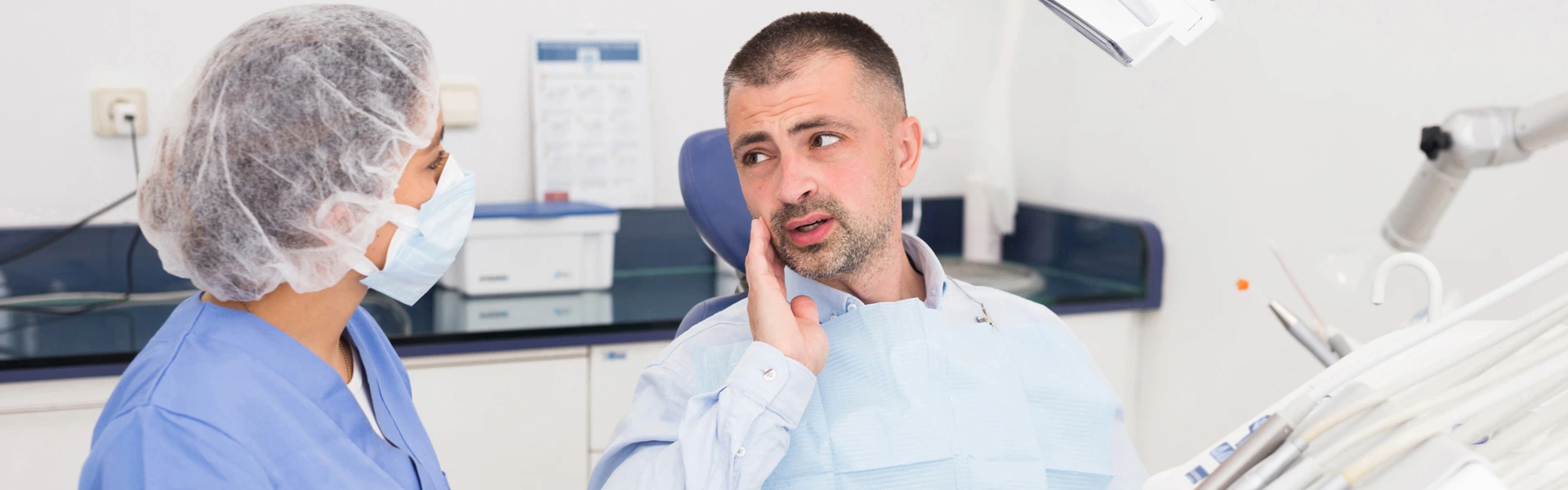
A sudden toothache, broken tooth, swelling, or dental injury can disrupt your day and quickly become overwhelming. Knowing what to expect during a same-day emergency dental visit can help you act quickly, reduce stress, and receive treatment before the problem worsens.

When a dental emergency occurs, receiving timely care may help prevent additional complications and improve the chances of preserving your natural tooth. Patients searching for an emergency dentist in Brooklin, ON, are often looking for quick answers, pain relief, and guidance on what to do next.

Whether you’re dealing with severe discomfort, an injured tooth, or signs of infection, a same-day emergency appointment is designed to identify the cause of the problem, relieve urgent symptoms, and protect your long-term oral health.

Common Dental Emergencies That Need Same-Day Care

Certain dental problems should not be delayed because they may worsen quickly without professional care.

Severe Toothache or Swelling

Persistent tooth pain often develops when bacteria reach the inner portion of the tooth where the nerve is located. Many patients seek an emergency dentist when tooth pain becomes worse at night, interferes with sleep, or makes it difficult to eat comfortably. Swelling involving the gums, face, or jaw may sometimes indicate a dental abscess, especially if symptoms include fever, pressure, or difficulty chewing.

Broken, Cracked, or Chipped Tooth

A cracked or fractured tooth may expose sensitive layers beneath the enamel. Patients often notice pain while chewing, temperature sensitivity, or rough edges irritating the tongue or cheeks.

Prompt broken tooth repair may improve the likelihood of preserving healthy tooth structure and preventing deeper fractures.

Knocked-Out Tooth

A knocked-out adult tooth requires immediate attention and is one of the most time-sensitive dental emergencies. If you’re unsure what to do after a tooth has been knocked out, acting within the first 30 to 60 minutes may improve the chances of saving the tooth.

Proper knocked-out tooth care includes:

  • Holding the tooth by the crown rather than the root
  • Gently rinsing debris without scrubbing
  • Storing the tooth in milk or saliva
  • Seeking dental care immediately

Lost Filling or Crown

An exposed tooth following the loss of a crown or filling may become sensitive and prone to irritation. Continuing to chew on the area may increase the risk of additional damage.

Abscess or Signs of Infection

Symptoms such as swelling, pus drainage, fever, facial swelling, jaw pain, or a persistent unpleasant taste may indicate a dental abscess requiring urgent treatment. Without prompt care, dental infections can worsen and may spread to surrounding tissues.

Bleeding or Trauma to the Gums and Mouth

Injuries involving the lips, gums, tongue, or cheeks may require evaluation if bleeding does not stop or nearby teeth feel loose after trauma.

Patients searching for an emergency dentist in Brooklin, ON often seek same-day care for severe toothaches, dental abscesses, broken teeth, knocked-out teeth, and facial swelling. Prompt treatment can help relieve discomfort and prevent additional complications.

Why Fast Treatment Matters

Delaying treatment may allow infection, fractures, or swelling to progress further.

A Same-day dental appointment can:

  • Address severe symptoms before they worsen
  • Lower the risk of infection spreading
  • Improve the chance of saving a damaged tooth
  • Reduce pressure and swelling
  • Prevent more extensive procedures later

During an emergency dental visit, the dentist may also detect hidden concerns, such as fractures beneath fillings, deep decay, or infection near the root tip, which may not be visible without imaging. Many patients wait because their symptoms improve temporarily. However, pain that comes and goes does not always mean the problem is healing. In some cases, it means the nerve inside the tooth is becoming more severely damaged.

Need Emergency Dental Care Today?

Dental emergencies rarely happen at a convenient time. If you’re experiencing severe tooth pain, swelling, dental trauma, or a damaged tooth, seeking prompt care may help prevent the situation from becoming more serious.

At DSV Dental Brooklin Village, we provide same-day emergency dental evaluations whenever scheduling permits.

Call our office as soon as possible to discuss your symptoms and available appointment options.

Patients throughout Brooklin, Whitby, Oshawa, and surrounding Durham Region communities often seek emergency dental care when unexpected pain, swelling, or dental injuries occur. Prompt treatment can help relieve discomfort while reducing the risk of more extensive procedures later.

What to Do Before You Arrive

Simple steps taken before the appointment may help protect the affected area and make urgent care more efficient.

Call the Dental Office Immediately

Describe symptoms clearly, including:

  • Swelling
  • Bleeding
  • Fever
  • Difficulty swallowing
  • Severe pain
  • Tooth mobility

Providing clear details also helps the dental team prepare appropriate emergency care before your appointment.

Follow First-Aid Instructions From the Team

Depending on the situation, patients may be advised to:

  • Apply a cold compress
  • Rinse gently with warm salt water
  • Avoid chewing on the painful side
  • Store a knocked-out tooth properly
  • Use over-the-counter pain medication as directed

Avoid placing aspirin directly against the gums, as this may further irritate the tissue.

Bring Medications, Insurance, and Identification

Patients should bring:

  • Government-issued identification
  • Insurance information
  • A list of medications
  • Relevant medical history details

Avoid Eating if Major Treatment May Be Needed

If sedation, extraction, or oral surgery may be necessary, the office may recommend avoiding food beforehand.

What to Expect During Check-In

Emergency appointments are usually prioritized according to symptom severity.

Patients with swelling, uncontrolled bleeding, trauma, or severe pain may require immediate attention after arrival.

During check-in, the dental team may:

  • Review symptoms and medical history
  • Take digital X-rays
  • Examine the affected tooth and surrounding tissues
  • Check bite alignment
  • Discuss possible treatment options
  • Explain costs and next steps

A supportive environment can help patients feel more prepared during an unexpected dental emergency, especially when symptoms interfere with sleeping, eating, or speaking comfortably.

Common Same-Day Emergency Treatments

Every dental emergency is different, and treatment depends on the specific condition and its severity.

Pain Relief and Temporary Stabilization

Early care often focuses on reducing pressure, protecting the area, and limiting further irritation until permanent treatment can be completed.

Fillings or Repairs for Broken Teeth

Small fractures may sometimes be repaired during the same visit using bonding materials or tooth-coloured fillings.

Recementing a Crown

If the underlying tooth remains healthy, a loose crown may sometimes be cleaned and secured back into place.

Drainage of Infection

If swelling develops because of infection, drainage may help relieve pressure and reduce inflammation. Antibiotics are prescribed only when clinically appropriate.

Tooth Extraction When Necessary

If a tooth cannot be safely restored due to severe infection or structural damage, removal may be recommended to protect surrounding tissues.

Providers offering urgent dental care will determine whether immediate treatment or temporary stabilization is the safest approach based on the patient’s condition.

Frequently Asked Questions

What qualifies as a dental emergency?

Dental emergencies may include severe tooth pain, swelling, infection, uncontrolled bleeding, dental trauma, a knocked-out tooth, or a broken tooth causing significant discomfort.

Will my emergency be treated during the same visit?

Many dental emergencies can be treated or stabilized during the same appointment. Depending on the complexity of the issue, additional treatment may be scheduled for a future visit.

Can the emergency room treat a toothache?

Hospital emergency rooms can help manage severe infections, swelling, or trauma but generally do not provide definitive dental treatment. A dentist is typically needed to address the underlying dental issue.

Is a broken tooth considered a dental emergency?

A broken or cracked tooth can become a dental emergency if it causes pain, exposes sensitive inner tooth structures, or increases the risk of infection.

Can a knocked-out tooth be saved?

In many cases, a knocked-out adult tooth can be successfully replanted if treatment is received quickly. Seeking dental care within 30 to 60 minutes offers the best chance of saving the tooth.

How can I manage pain before my appointment?

Applying a cold compress, avoiding pressure on the affected area, and taking over-the-counter pain medication as directed may help provide temporary relief until your appointment.

What if my toothache comes and goes?

Intermittent tooth pain may still indicate an underlying issue such as infection, nerve inflammation, or a developing crack. An evaluation is recommended even if symptoms temporarily improve.

Should I seek emergency dental care for facial swelling?

Yes. Facial swelling may indicate infection and should be evaluated promptly, especially if accompanied by fever, difficulty swallowing, or worsening pain.

How much does an emergency dental visit cost?

The cost of emergency dental treatment varies depending on the examination, diagnostic imaging, and any treatment provided. Your dental team can discuss fees and treatment options after evaluating your condition.

What should I avoid before my emergency appointment?

Avoid chewing on the affected side, smoking, and placing aspirin directly against the gums. If sedation or oral surgery may be required, your dental team may provide additional instructions before your visit.

Experiencing a dental emergency in Brooklin or Whitby? DSV Dental offers same-day evaluations whenever scheduling permits. Call Now or book online — we’re open Monday to Friday until 8PM and Saturdays until 2PM.

How Can Emergency Dentistry in Brooklin Save Your Oral Health

Dental emergencies can develop suddenly and may interfere with eating, sleeping, speaking, or concentrating comfortably. A severe toothache, swelling, or a broken tooth can become more difficult to manage if treatment is delayed. Many patients contact an Emergency dentist in Brooklin, ON when pain becomes difficult to ignore or when an injury affects normal daily activities. Early dental care may reduce discomfort, control infection, and improve the chances of preserving healthy tooth structure whenever possible.

Common Dental Emergencies Treated in Brooklin

Emergency dental visits often involve conditions that require prompt attention to relieve pain and prevent additional damage. Some concerns develop gradually, while others happen unexpectedly after trauma or a biting injury.

Common emergencies treated at a Brooklin emergency dental clinic may include:

  • Severe or persistent tooth pain
  • Broken, cracked, or chipped teeth
  • Knocked-out teeth after an accident
  • Lost fillings or crowns
  • Gum swelling or dental abscesses
  • Bleeding from the mouth after trauma
  • Jaw discomfort caused by oral injury
  • Sudden pain while chewing or biting

An emergency examination helps determine whether the problem involves infection, structural damage, nerve irritation, or surrounding gum tissue.

Why Timely Dental Care Matters After an Injury

Dental injuries are not always immediately visible. A tooth may appear stable even when deeper cracks or root damage are present beneath the surface. Delaying treatment can sometimes increase discomfort and make the condition more difficult to manage later.

Early assessment may help:

  • Reduce pressure caused by swelling or inflammation
  • Lower the risk of infection spreading into nearby tissue
  • Stabilize damaged teeth before fractures worsen
  • Improve comfort during eating and speaking
  • Reduce the likelihood of more complex treatment later

When a tooth has been knocked out completely, quick action becomes especially important. In certain cases, dentists may evaluate whether the tooth can be repositioned successfully if care is provided soon after the injury.

If you are searching online for “where to go for a dental emergency in Brooklin,” seek professional care promptly after oral trauma involving the teeth, gums, or jaw.

How an Emergency Dentist in Brooklin, ON Treats Severe Tooth Pain

Persistent tooth pain often signals inflammation, infection, nerve irritation, or advanced tooth decay. Some patients notice sharp discomfort while chewing, while others experience throbbing pain that becomes worse at night.

During the visit, the dentist will usually:

  1. Examine the painful area carefully
  2. Review symptoms and recent dental history
  3. Take digital X-rays if more serious damage is suspected
  4. Check for infection, fractures, or gum involvement
  5. Recommend treatment based on the source of discomfort

Depending on the condition, treatment may involve draining an abscess, protecting a cracked tooth, replacing a lost restoration, or managing inflamed nerve tissue. Before treatment begins, patients are usually given a clear explanation of the findings, available options, and expected costs.

Ignoring ongoing discomfort may allow inflammation to worsen, which is why severe toothache treatment becomes important when pain does not improve within a short period.

How Emergency Dentistry May Help Prevent Tooth Loss

Emergency dental treatment is not limited to pain management. Fast intervention may also reduce damage to surrounding oral structures and improve the chances of preserving natural teeth.

An emergency dental clinic may help by:

  • Managing infection before it affects nearby tissue
  • Stabilizing cracked or loosened teeth early
  • Replacing missing fillings or crowns that expose vulnerable areas
  • Treating deep decay before extraction becomes necessary
  • Monitoring gum and bone health after dental trauma

Patients who cannot access immediate care locally sometimes search for an emergency dentist Whitby provider or nearby emergency services when urgent symptoms develop outside regular office hours.

What to Expect During an Emergency Dental Visit in Brooklin

Many patients feel anxious during an unexpected dental emergency, especially when swelling or significant discomfort develops quickly. Emergency appointments are generally intended to identify the cause of the problem and provide relief as soon as possible.

A visit to a Walk-in dentist Brooklin location may include:

  • A symptom review and medical history discussion
  • Examination of the affected tooth or gum area
  • Digital imaging is required
  • Assessment of infection, fractures, or soft tissue injury
  • Local anesthesia to improve comfort during treatment
  • Same-day care for urgent concerns whenever possible

After the examination, the dentist may recommend immediate treatment or schedule additional care if the condition requires longer-term management.

At DSV Dental Brooklin Village, emergency visits should involve clear communication, realistic treatment guidance, and patient-centered care focused on both comfort and oral health stability.

When You Should Seek Urgent Dental Care

Certain dental symptoms should not be ignored, as they may indicate infection, nerve involvement, or structural damage to the tooth and surrounding tissues.

Professional evaluation is recommended if you experience:

  • Tooth pain lasting several hours or becoming progressively worse
  • Swelling in the gums, jaw, or face
  • A broken or knocked-out tooth
  • Bleeding that does not stop
  • Fever together with oral pain or swelling
  • Difficulty chewing, swallowing, or opening the mouth
  • Sudden sensitivity after trauma or biting injury

Patients experiencing severe discomfort often seek an Emergency dentist near me when symptoms begin interfering with normal daily activities.

What to Do Before Reaching the Dentist

Steps taken before arriving at the dental office may help reduce irritation and temporarily protect the affected area.

If You Have Swelling or Tooth Pain

  • Rinse gently with warm salt water
  • Apply a cold compress to the outside of the face
  • Avoid hard, very hot, or cold foods

If a Tooth Is Broken

  • Save any broken pieces if possible
  • Avoid chewing on the affected side
  • Keep the area clean with gentle rinsing

If a Tooth Has Been Knocked Out

  • Hold the tooth by the crown only
  • Avoid touching or scrubbing the root surface
  • To help preserve the tooth, store it in milk or saliva while seeking prompt dental care.
  • Contact a dentist immediately.

If a Crown or Filling Falls Out

  • Keep the restoration if available
  • Avoid sticky foods on the affected side
  • Arrange dental care as soon as possible

Receiving professional Dental trauma care soon after an injury can reduce the risk of further structural damage and improve comfort during recovery.

Protecting Your Oral Health During a Dental Emergency

Emergency dentistry plays an important role when sudden pain, swelling, or oral injuries unexpectedly affect daily life. Early assessment may relieve discomfort, control infection, and reduce additional damage involving the teeth, gums, and supporting tissues.

Whether the issue involves swelling, severe discomfort, or a Chipped tooth emergency, professional treatment can help stabilize the condition before complications become more serious.

If sudden oral pain or trauma develops, seeking urgent dental care promptly is an important step toward protecting your long-term oral health.

FAQs

What counts as a dental emergency?

Can an emergency dentist save my tooth?

Can I walk in for emergency dental care?

Do bleeding gums need emergency dental care?

How fast should I see a dentist for a chipped tooth?

Cosmetic Dentistry in Brooklin, Ontario: Simple Ways to Improve Your Smile

A brighter smile can change how you feel in everyday moments—whether you’re at work, with friends, or just catching your reflection. For many people, small concerns like stains, chips, or uneven teeth are enough to affect confidence.

Cosmetic dentistry offers practical ways to improve those details without making your smile look unnatural or overdone. The goal is simple: subtle improvements that still feel like you.

At DSV Dental Brooklin Village, patients in Brooklin, Ontario often look for options that fit their needs—not a one-size-fits-all approach.

What Can Cosmetic Dentistry Help With?

Cosmetic treatments are designed to improve how your teeth look, but they can also make certain areas easier to maintain.

You might consider treatment if you have:

  • Stains that don’t go away with regular brushing
  • Small chips or worn edges
  • Gaps between teeth
  • Teeth that look uneven in shape or size
  • Mild crowding or shifting

Sometimes one treatment is enough. Other times, combining a few options gives a more balanced result.

Are You a Good Candidate?

Most adults with healthy teeth and gums can explore cosmetic options. A proper dental exam helps determine what’s suitable.

You may be a good candidate if:

  • Your gums are in good condition
  • There are no untreated cavities
  • You’re looking for cosmetic—not major structural—changes
  • You have realistic expectations about the outcome

Your dentist will always consider your overall oral health before recommending any treatment.

Common Cosmetic Dental Treatments in Brooklin

Teeth Whitening

Teeth whitening is often the easiest way to refresh your smile. It can reduce stains from coffee, tea, wine, and everyday wear.

Professional treatments are typically more even and controlled than over-the-counter products, which helps avoid patchy results.

Porcelain Veneers

Veneers are a good option if you want to improve several things at once—like color, shape, and spacing.

They’re commonly used for:

  • Chipped or worn teeth
  • Uneven lengths
  • Small gaps
  • Teeth that don’t respond well to whitening

When done properly, they blend in naturally with the rest of your smile.

Dental Bonding

Bonding is a simple and conservative way to fix minor issues. A tooth-colored material is applied and shaped directly on the tooth.

It’s often used for:

  • Small chips
  • Minor gaps
  • Slight reshaping

In many cases, it can be completed in just one visit.

Dental Crowns

Crowns are used when a tooth needs more support. They cover the entire visible part of the tooth, improving both strength and appearance.

They may be recommended if:

  • A tooth is cracked or worn down
  • There’s a large filling
  • Long-term durability is needed

Clear Aligners

Clear aligners gradually move teeth into better alignment using a series of custom trays.

They’re often suitable for:

  • Mild crowding
  • Small gaps
  • Teeth that have shifted over time

A proper assessment helps determine if aligners are the right fit.

Why People Choose Cosmetic Dentistry

For many patients, the benefits go beyond appearance. Improving the shape or alignment of teeth can also make daily cleaning easier.

Common reasons people choose cosmetic care include:

  • A more balanced, even smile
  • Increased confidence
  • Correction of small imperfections
  • Restoration of worn areas

With good care, results can last for years.

Choosing the Right Cosmetic Dentist in Brooklin, Ontario

Cosmetic dentistry in Brooklin, ON, should always be approached carefully. The focus isn’t just on how your smile looks, but how well it functions over time.

When choosing a dentist, consider:

  • Experience with cosmetic procedures
  • A clear and honest consultation process
  • Realistic expectations (no overpromising)
  • A focus on long-term oral health

Looking at previous cases can also help you understand what’s possible.

How to Maintain Your Results

After treatment, simple habits make a big difference:

  • Brush twice a day and floss daily
  • Limit foods and drinks that stain
  • Avoid tobacco
  • Keep up with regular dental visits

These steps help keep your smile looking consistent over time.

Book a Consultation

If you’ve been thinking about improving your smile, starting with a consultation is the best next step.

It gives you a chance to:

  • Talk about what you’d like to change
  • Understand your options
  • Get a clear idea of timing and cost

At DSV Dental Brooklin Village, the goal is to create a plan that fits your needs—not to recommend unnecessary treatment.

FAQ’s

What cosmetic dental treatments are available in Brooklin, Ontario?

How long does teeth whitening last?

Are veneers suitable for everyone?

Is dental bonding painful?

Can clear aligners fix severe alignment issues?

How much does cosmetic dentistry cost?

How do I maintain my results?

Trusted Family Dentist Accepting New Patients in Brooklin

Serving Brooklin and Whitby Families with Comprehensive Dental Care

Finding a dependable dental clinic is one of the most important steps toward maintaining lifelong oral health. If you are searching for a dentist accepting new patients in Brooklin, it helps to choose a clinic that focuses on patient comfort, clear communication, and modern dental care.

A welcoming dental environment encourages patients to schedule routine checkups and stay consistent with preventive care. At DSV Dental Brooklin Village, new patients from Brooklin and Whitby are always welcome. Our goal is to provide personalized dental care that supports healthy teeth and gums for every member of the family.

Whether you are visiting for a routine cleaning, a dental concern, or a first appointment with a new provider, our team works to make every visit comfortable and informative.

Family Dental Care for Patients of All Ages

Choosing a family dentist in Brooklin allows households to receive consistent dental care from one trusted provider. Because oral health needs change throughout life, family dentistry focuses on prevention, early diagnosis, and long-term care.

Children often need preventive treatments and monitoring as their teeth develop, while adults may require restorative care or treatment for gum health. Having a dental team familiar with your history allows for more personalized care over time.

Common dental services include:

  • Routine dental exams and professional cleanings
  • Preventive treatments to protect teeth and gums
  • Restorative dentistry for cavities or damaged teeth
  • Cosmetic procedures that improve the appearance of smiles
  • Emergency dental care when urgent issues arise

Many Brooklin families appreciate the convenience of visiting the same dental clinic for ongoing care, allowing the dentist to monitor oral health changes over the years.

What to Expect During Your First Dental Visit

If you are visiting a Brooklin dentist for the first time, the appointment is designed to understand your oral health and discuss any concerns you may have.

The visit typically begins with a review of your dental history and an examination of the teeth and gums. This helps the dentist identify any early signs of dental issues and determine the best path forward for your care.

A first dental appointment usually includes:

  • A friendly check-in and introduction to the dental team
  • A comprehensive oral examination
  • Digital X-rays to evaluate areas not visible during a visual exam
  • A discussion about your dental health goals and concerns
  • A personalized treatment plan if care is recommended

After the examination, the dentist will explain the findings and answer any questions you may have. Understanding your oral health allows you to make confident decisions about your dental care.

Modern Technology for Accurate Dental Diagnosis

Many modern dental clinics now use digital tools to improve diagnosis and treatment planning. These technologies allow dentists to evaluate oral structures with greater precision.

Digital X-rays are commonly used to identify dental concerns such as:

  • Tooth decay between teeth
  • Bone loss related to gum disease
  • Early dental problems that are not visible during routine exams

Digital imaging also helps maintain accurate records, allowing dentists to monitor changes in oral health over time. With clearer diagnostic information, treatment plans can be tailored to support long-term dental wellness.

A Comfortable and Supportive Dental Environment

For many patients, visiting the dentist can cause anxiety. A calm and welcoming environment can make a significant difference in how comfortable patients feel during appointments.

Dental teams help reduce stress by focusing on patient communication and gentle care. Before beginning treatment, dentists explain procedures clearly so patients understand what to expect.

Patients often value dental practices that provide:

  • Clear explanations of recommended treatments
  • A relaxed and welcoming clinical setting
  • Respectful and patient-focused communication
  • Flexible appointment scheduling

When patients feel comfortable discussing their concerns, maintaining regular dental visits becomes much easier.

Flexible Scheduling and Insurance Support

Busy schedules often make it difficult to plan routine healthcare appointments. Flexible scheduling options allow patients to find appointment times that fit their work and family commitments.

To make dental visits more convenient, many clinics offer direct billing to insurance providers whenever possible. This means claims can be submitted directly to your insurance company, simplifying the payment process.

Patients can also discuss treatment costs ahead of time, allowing for transparency and better planning when dental procedures are recommended.

Convenient Dental Care Close to Home

When choosing a dental provider, location can make a big difference. A local dental clinic in Brooklin allows patients to schedule appointments easily and receive care quickly when dental issues arise.

Many residents search online for a dentist near me in Brooklin when they need accessible dental care. Having a nearby dental clinic helps ensure routine checkups remain part of a healthy lifestyle.

Regular visits allow dentists to monitor oral health and provide preventive guidance that keeps teeth and gums strong.

Schedule Your Appointment with a Brooklin Dentist Accepting New Patients

Routine dental visits help identify potential oral health concerns early and provide professional care that supports long-term dental wellness.

If you are looking for a dentist accepting new patients in Brooklin, the team at DSV Dental Brooklin Village welcomes you to schedule a visit. Our goal is to provide supportive, patient-focused dental care for individuals and families throughout Brooklin and Whitby.

Frequently Asked Questions

Are you currently accepting new patients?

Yes. Our dental clinic welcomes new patients from Brooklin, Whitby, and surrounding communities.
What happens during the first dental visit?

Your first appointment usually includes a dental exam, digital X-rays, and a discussion about your oral health and any recommended treatments.
Do you offer family dentistry services?

Yes. Dental care is available for children, adults, and seniors.
Do you provide direct billing to insurance providers?

Direct billing is available for many insurance plans to help simplify the payment process.
How often should I visit the dentist?

Most patients benefit from dental checkups every six months, although the schedule may vary depending on individual oral health needs.
Click to listen highlighted text!